POSTS BY AUTHOR
Jordan VELA
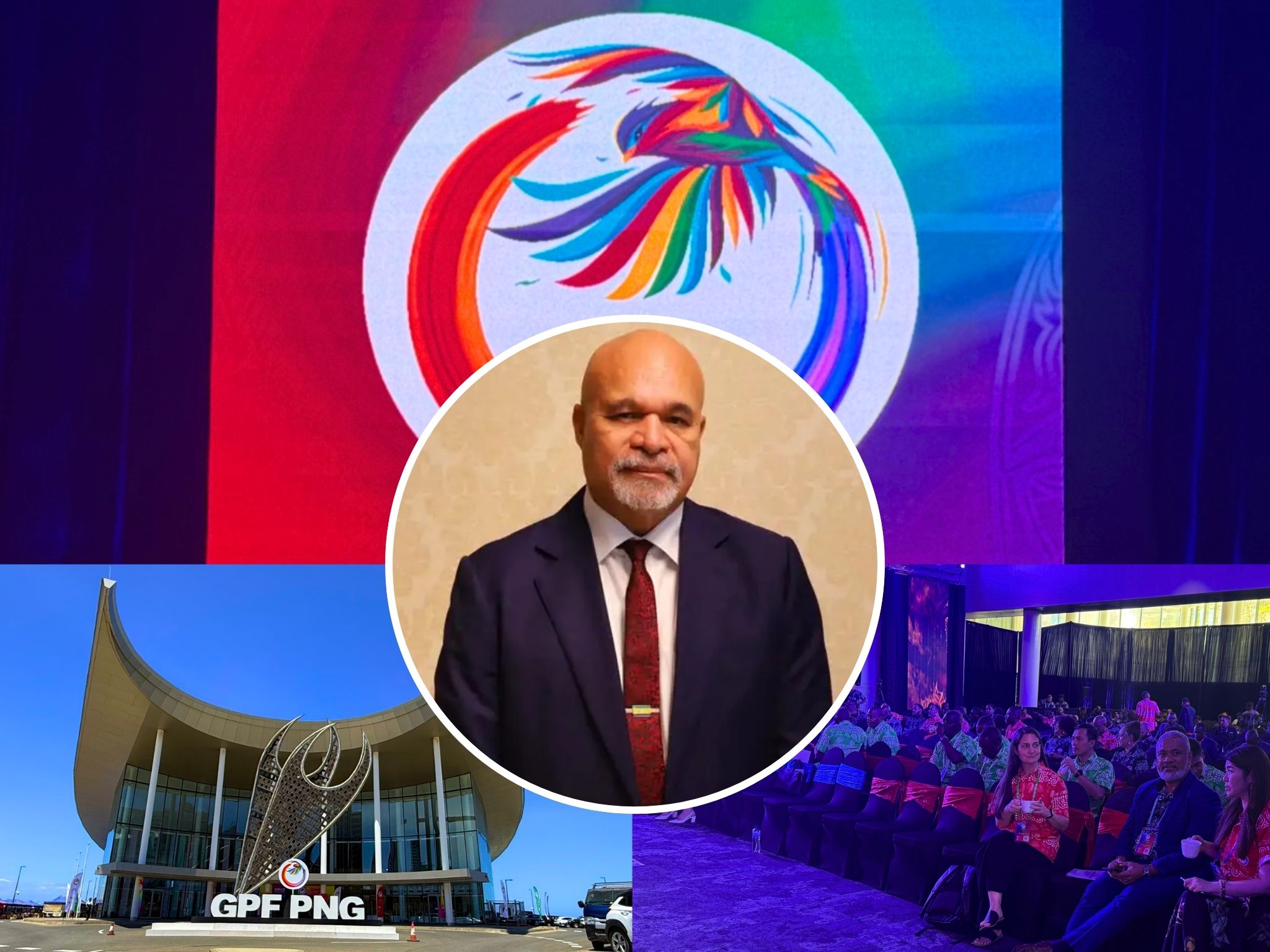
IFES OFFICIAL STRESSES ADEQUATE FUNDING AS KEY TO SAFE 2027 ELECTIONS
International Foundation for Electoral Systems (IFES) Senior Country Director Michael Yard has stressed that adequate funding for both the Papua New Guinea Electoral Commission (PNGEC) and the Royal Papua New Guinea Constabulary (RPNGC) will be critical to delivering a safe and credible 2027 National General Election.Speaking to the media following the opening of the Joint Election Security Workshop on Wednesday 01st, Yard said Papua New Guinea's election security challenges reflect a growing global trend where political leaders refuse to accept election results, often triggering unrest and violence.Drawing on his experience supporting elections in more than 50 countries, Yard said peaceful elections depend not only on planning but also on political acceptance of legitimate election outcomes."Over the last decade or longer, I've seen a trend. I have worked in elections in more than 50 different countries as an adviser, and I know that in some countries' security is not a major issue. Elections are just organized, people follow the rules and the laws, and there's very little violence after elections."He said such examples are becoming increasingly rare."Unfortunately, over the last decade or longer, I've seen a trend towards politicians never accepting the outcome of an election. If I won, the election was free and fair, and if I didn't win, then the election was not fair."Yard said political leaders who reject election results often encourage supporters to challenge the outcome, sometimes resulting in violence."By failing to accept the outcome of elections, it is a way of inciting followers and supporters of that candidate or political party to object, sometimes in volatile and violent ways. In Papua New Guinea, that's a pattern over the last several election cycles."He said while careful planning between election authorities and security agencies is essential, planning alone cannot guarantee election security without sufficient financial support."It's ultimately important that there's adequate planning but planning alone isn't going to really do it."Referring to the recent Local-Level Government elections, Yard said both the police and the Electoral Commission faced significant operational challenges because of limited funding."One of the patterns that we saw in the LLG elections was that the police were underfunded and did not have an adequate presence out in many of the provinces. The Electoral Commission also was underfunded and didn't have enough staff to really manage and control that."He said sustained government investment in both institutions will be essential if election security plans are to be effectively implemented."Funding for both institutions is absolutely critical. No matter how much planning the institutions undertake, if they don't have the funding to implement those plans, then it's impossible to provide adequate electoral security."The three-day Joint Election Security Workshop will end today July 3rd and it has been facilitated by IFES under its Enabling a Peaceful Environment to Administer Credible Elections (E-PEACE) program, brings together senior officers from the RPNGC and PNGEC to strengthen security coordination ahead of the 2027 National General Election.
Published on July 3, 2026
STRENGTHENING ELECTION SECURITY PREPARATIONS AHEAD OF 2027 NGE
Preparations for the 2027 National General Election (NGE) took a significant step forward today with the commencement of a three-day Joint Election Security Workshop involving the Papua New Guinea Electoral Commission (PNGEC) and the Royal Papua New Guinea Constabulary (RPNGC) at the Holiday Inn, Port Moresby.The workshop, facilitated by the International Foundation for Electoral Systems (IFES) under its Enabling a Peaceful Environment to Administer Credible Elections (E-PEACE) program, aims to strengthen coordination between electoral officials and police to ensure next year's National General Election is safe, credible and trusted by the people of Papua New Guinea.The workshop brings together Provincial Police Commanders (PPCs), Assistant Commissioners of Police (ACPs), and officers from the PNG Electoral Commission to improve operational planning and coordination before, during and after the election period.Opening the workshop was Acting Electoral Commissioner Ms. Margaret Vagi, who welcomed the senior police officers and emphasized that election security cannot be achieved by a single institution."Election security is not the responsibility of one institution alone. No single agency can deliver a secure election. It depends on close, continuous collaboration between the PNG Electoral Commission and the police at every level. When we work together, we are stronger. When we operate separately, gaps emerge that can undermine the entire process."Supporting the Acting Electoral Commissioner's remarks, Acting Assistant Commissioner for Border Security, Steven Francis, said the workshop provides an important opportunity for both agencies to strengthen their operational partnership."There must be collaboration between the two agencies, so this workshop itself is to ensure the fine-tuning of our security preparation. We all know that the Electoral Commission is the mandated organization that takes the lead in the electoral process, while for us police, our main role is to provide security and make sure the environment is conducive for the election to proceed."He said bringing together Assistant Commissioners and Provincial Police Commanders would strengthen cooperation at provincial and district levels."One thing is to understand who the Electoral Manager is on the ground and who the Provincial Police Commander is on the ground so that this collaboration at the local level, district level and provincial level is something we should have done a long time ago. Workshops like this pave the way."The workshop highlighted that while the Electoral Commission and the Royal Papua New Guinea Constabulary have separate statutory responsibilities, both institutions are closely interconnected and must operate as one coordinated system.Under this arrangement, the Electoral Commission administers the election process in accordance with the law, while police provide the security and law and order necessary to ensure elections are conducted safely and without disruption.IFES Senior Country Director Michael Yard, who has supported elections in more than 50 countries, shared international experiences and stressed the importance of early security planning."I know that in some countries security is not a major issue. There is very little violence after elections, but unfortunately that has become rarer. Over the last decade I have seen politicians never accepting the outcome of elections and, by failing to accept the results, inciting supporters and political parties to object, sometimes causing followers to act violently. That is why planning is critically important."The Joint Election Security Workshop will run from July 1 to July 3, bringing together senior police commanders and Electoral Commission officials to strengthen inter-agency coordination ahead of the 2027 National General Election.
Published on July 1, 2026
WAU WARIA BOOSTS FINANCIAL INCLUSION WITH NEW BANKING SERVICES AND THREE YEAR PARTNERSHIP
Residents of Wau Waria District, in Morobe Province are set to benefit from expanded access to banking services and financial education following the opening of a new Mama Bank Access Point and the signing of a three-year Memorandum of Understanding (MoU) aimed at strengthening financial inclusion across the district.The twin initiatives, launched during Bank of Papua New Guinea Governor Elizabeth Genia's visit to the district, mark a significant step towards improving access to formal banking while equipping communities with the knowledge and skills to better manage their finances, grow businesses and participate in the formal economy.The official opening of the new Mama Bank Access Point returns formal banking services to Wau after many years, providing residents with access to EFTPOS and ATM services without the need to travel long distances to conduct basic banking transactions.Governor Genia described the occasion as more than the launch of a banking service."It is a celebration of opportunity, partnership and the determination of the people of Wau Waria to build a stronger future for their families and communities. Today is also significant because it marks the return of formal banking services to Wau after many years."She said access to financial services is fundamental to improving livelihoods and creating opportunities for individuals, businesses and communities."Fair access to financial services allows people to save safely, manage their money more effectively, build businesses, invest in productive activities and prepare for the future."Governor Genia also commended Mama Bank for extending banking services to people who have traditionally faced barriers to the formal financial sector, particularly women, small business operators, market vendors and rural communities.She said when women gain access to financial services, the benefits extend well beyond individual account holders, strengthening families, businesses and communities.Complementing the opening of the new banking services, Governor Genia, in her capacity as Chair of the Centre for Excellence in Financial Inclusion (CEFI), formally signed a three-year Memorandum of Understanding with the Wau Waria District Development Authority.The partnership will focus on expanding financial inclusion through financial literacy training, business skills development, additional banking access points and greater access to financial services for women, young people and rural communities.Governor Genia said financial inclusion is about much more than simply providing access to bank accounts."The signing of a Memorandum of Understanding between the CEFI and the Wau Waria DDA is a partnership that reflects this shared commitment to improving financial inclusion across the district through practical initiatives such as financial literacy training, business skills development, expansion of banking access points, and greater access to financial services for women, young people and rural communities."She said empowering people with financial knowledge is just as important as providing banking services."Importantly, this partnership is not simply about opening bank accounts. It is about building the knowledge, confidence and opportunities that enable people to use financial services effectively to improve their livelihoods and achieve their goals."Governor Genia said the agreement provides a framework for long term collaboration between CEFI and the Wau Waria District Development Authority to ensure communities have both access to financial services and the confidence to use them safely and responsibly.She commended Wau Waria MP and District Development Authority Chairman Marsh Narewec for recognizing that economic development requires more than financial services alone.Governor Genia also welcomed the district's Cooperatives Capacity Building Program and the launch of the Kange Security Force, saying both initiatives complement financial inclusion by strengthening local enterprise, promoting community safety and creating an environment that encourages investment and economic participation.She further acknowledged Papua New Guinea's ongoing efforts to strengthen anti money laundering and counter terrorism financing measures, noting that the country's regulatory framework allows simplified banking requirements for low risk customers while maintaining the integrity of the financial system.Governor Genia said these initiatives work together to expand financial participation, improve livelihoods and create sustainable economic opportunities for communities throughout Wau Waria."Successful financial inclusion requires long term commitment, partnership and local leadership. The agreement we are signing today provides a framework for that collaboration and demonstrates a shared determination to ensure that the benefits of financial inclusion reach communities throughout the district."With formal banking services now restored and a long-term partnership in place to strengthen financial literacy and economic participation, Wau Waria is positioning itself to expand opportunities for families, entrepreneurs, farmers, market vendors and future generations across the district.
Published on June 30, 2026
AUS, NZ, UK & INTERPOL DONATE EQUIPMENT TO RPNGC INVESTIGATIONS
The Royal Papua New Guinea Constabulary (RPNGC) Interpol National Central Bureau has received a significant operational boost following the official handover of equipment under the Project Blue Pacific initiative at Police Headquarters in Konedobu Today June 26, 2026.Project Blue Pacific is a regional capacity building program led by INTERPOL aimed at strengthening law enforcement cooperation and enhancing efforts to combat transnational organized crime across eleven Pacific Island countries, including Papua New Guinea.The equipment valued at over K60, 000, was funded through contributions from the Australian Federal Police, New Zealand Police, and the United Kingdom’s National Crime Agency, reinforcing a trilateral commitment to regional policing cooperation.The handover highlighted the growing importance of digital connectivity and intelligence sharing across borders, particularly through INTERPOL secure systems and global databases that support real time investigations.New Zealand High Commissioner Ms. Georgina Roberts said the initiative reflects long-term commitment and coordination within the INTERPOL network.“What I wanted to acknowledge is also the commitment that has been demonstrated to continue to support the connectivity and cooperation, awareness and delivery of what it means to work together as part of the Interpol network.”“It does not just happen by chance, but takes engagement and commitment.”She said Papua New Guinea’s participation reflects the increasing importance of regional collaboration in addressing complex and evolving security threats.“We know that the challenges are large and increasing, and the connectivity between regional jurisdictions and also Interpol is a fundamental part of trying to address those challenges that are coming at us from many different angles.”Meanwhile, Australia’s representative Ms. Tessa Plueckhahn said the partnership strengthens operational cooperation and regional security outcomes.“This is crucial for supporting investigations both in Australia and across our region, and this work with Interpol is helping strengthen collaborative and mutually beneficial law enforcement partnerships that are essential in addressing transnational crime.”She added that integrating INTERPOL systems into frontline policing tools is critical for effective response.“This important work helps to integrate Interpol’s global capabilities into the law enforcement toolbox, ensuring Pacific partners like PNG can access the systems, information, and networks needed to protect our communities.”Representing the RPNGC Commissioner, Assistant Commissioner Hodges Ette, DPS QPM, acknowledged the partnership and its broader institutional impact.“We are grateful that the Commissioner’s request and nomination of myself and colleagues from Australia and Fiji was accepted, and those are efforts that the Commissioner looked at in part to the younger generation of officers coming, that we need to earn our mission and vision not only within the domestic scene but also international space through Interpol and transnational crime.”Furthermore, Commissioner Ette expressed his appreciation to partner agencies for their continued support.The ceremony concluded with acknowledgements to all partner agencies for their continued support in strengthening policing systems and enhancing regional security cooperation.
Published on June 30, 2026
CYBERCRIME SURGE EXPOSES NEED FOR MORE POLICE, STRONGER LAWS
The country's growing cybercrime threat is exposing critical gaps in the Royal Papua New Guinea Constabulary's ability to investigate digital offences, with Head of Crime Division Assistant Commissioner Hodges Ette calling for more specialist officers, improved technology, and reforms to the country's Cybercrime Act.Assistant Commissioner of Police and Head of Crime Division Hodges Ette raised the concerns during an interview with PNG Haus Bung following the official handover of Project Blue Pacific equipment to the RPNGC Interpol National Central Bureau at Police Headquarters in Konedobu on Friday, June 26.ACP Ette said the Cybercrime Unit is operating with fewer than 10 officers despite the rapid rise in cybercrime and the misuse of social media across the country."The Cybercrime Unit is very small. There are about five personnel, and that is insufficient to serve the whole nation."He said the Constabulary is working towards decentralising aspects of cybercrime investigations by building the capacity of police stations to deal with less complex digital offences, while the specialist Cybercrime Unit at Seven Mile focuses on more sophisticated investigations."We are also working in collaboration with NICTA and DICT so that certain forms of cybercrime can be dealt with at the police station."ACP Ette said police are working closely with the National Information and Communications Technology Authority (NICTA), which in March donated much-needed equipment under a memorandum of understanding (MOU). Police are also working with the Department of Information and Communications Technology (DICT) to strengthen cybercrime investigations and improve the ability of frontline officers to respond to online offences.He also called for a review of the Cybercrime Act, saying the legislation requires stronger procedural provisions to better support investigators handling digital evidence while meeting constitutional requirements."We would also like to have a look at the Cybercrime Act. There are several provisions in there where the legislation does not come outright with specifications as to methods, processes and procedures."ACP Ette said the Commissioner of Police and the Minister for Police are expected to discuss possible amendments to strengthen the legislation and improve its implementation.Addressing the growing misuse of social media, he warned that many Papua New Guineans remain unaware that their online activities can amount to criminal offences."The trend of cybercrime is increasing in this country, and many of our people don't understand that when you make a post on Facebook or social media, there are consequences."He also raised concerns over weaknesses in SIM card registration and identity verification, saying stronger regulation of service providers would significantly assist police investigations."Why are we still having SIM cards without proper registration? Those are things that need to be addressed."ACP Ette acknowledged the recent donation of equipment under Project Blue Pacific, supported by the Australian Federal Police, New Zealand Police and the United Kingdom's National Crime Agency, saying the assistance would strengthen Papua New Guinea's capacity to combat transnational crime while supporting modern policing initiatives.However, he stressed that sustained investment in specialist investigators, modern technology and stronger legislation will be essential as Papua New Guinea continues to face increasingly sophisticated cyber threats in the digital age.
Published on June 29, 2026
CENTRAL PROVINCE INDUCTS WARD MEMBERS UNDER FIRST LLG LEADERS INDUCTION WORKSHOP SINCE 1995 REFORMS
More than 280 newly elected ward members from across Central Province have begun a week-long induction program under the Central Province Local Level Government (LLG) Leaders Induction Workshop 2026, aimed at strengthening local governance and equipping local leaders with the knowledge and skills needed to effectively serve their communities.Speaking to PNG Haus Bung, Central Provincial Administration District and LLG Affairs Advisor, Guma Tau, said 283 ward members from the province's five districts are participating in the workshop, which runs from June 29 to July 3.Mr Tau said Central Province has a total of 288 ward positions, with five currently vacant following failed elections and the recent passing of a ward member.Participants are being accommodated at Gateway and Ponderosa Hotels while attending the weeklong workshop.He said the induction is designed to provide newly elected ward members with a better understanding of government systems, governance processes, leadership responsibilities, and their role in planning and delivering services at the ward level.Mr Tau described the Central Province LLG Leaders Induction Workshop 2026 as the first formal induction program of its kind for ward members since the introduction of the 1995 Local-level Government reforms."According to our records, ward members have never undergone a formal induction after being elected. This is the first time the province has brought all ward members together to receive structured training," he said.Mr Tau said the workshop began the previous week with the successful induction of LLG Presidents and nominated Provincial Assembly representatives before continuing this week with ward members.He said the province intends to make the induction workshop a standard program following every LLG election to ensure newly elected leaders are properly prepared before assuming office.A total of about 320 participants, including ward members, LLG managers, District Administrators, District Local Government Advisors, National Development Commission representatives, facilitators, and provincial officers, are taking part in the workshop.Mr Tau acknowledged the support of the Central Provincial Administration and the province's five district administrations, saying the program is jointly funded through a cost sharing arrangement.He also thanked the Acting Provincial Administrator and the Deputy Governor for committing funding to ensure all elected local leaders receive the training.Mr Tau said participants who successfully complete the workshop will receive certificates of participation in recognition of their commitment to strengthening leadership and improving local governance.He expressed confidence that the knowledge gained during the week-long induction would better equip ward members to return to their communities and provide stronger leadership, improve governance, and deliver more effective services to the people of Central Province.
Published on June 29, 2026
PROCUREMENT REFORM EXPLAINED AS NEW SPECIAL COMMITTEES TAKE OFFICE
The National Procurement Commission (NPC) has clarified the role and authority of Special Procurement Committees (SPC), describing them as part of a broader reform aimed at improving efficiency, transparency, and delivery of government projects.NPC Executive Manager Agaru Agarobe, who also serves as a newly sworn member of the NICTA Special Procurement Committee, explained the framework during a one day training session held prior to the committee’s swearing in in Yesterday June 24th.He said the training was designed to prepare members for their responsibilities before formally assuming office.“The one-day training was basically to bring the procurement committee members together and give them the opportunity to familiarize themselves with the procedures they are required to comply with before they subscribe as members of the procurement committee,” Mr. Agarobe said.He said Special Procurement Committees are established to decentralize procurement authority within government agencies, allowing faster decision making while maintaining oversight.“We have been establishing procurement committees for government departments and agencies. In this case, we give them Special Procurement Committee status at sub national level for provinces and districts,” he said.Mr. Agarobe said the SPC framework allows agencies to manage procurement within a financial threshold of K1 million to K5 million.He said procurement below K1 million remains under the authority of departmental heads or chief accounting officers, who may use the three-quotation system under the Public Finance Management Act.“Anything less than K1 million falls under the three-quotation system where the departmental head or CEO can procure directly by comparing quotations and selecting the best value option,” he said.For procurement between K1 million and K5 million, Mr. Agarobe said agencies must follow full procurement procedures under the National Procurement Act and National Procurement Commission guidelines, including public tender processes.“That range requires public tender. We advertise, we invite bids from the open market, and companies submit proposals within the specified closing date and time,” he said.He said submitted bids are then evaluated by appointed committees, with recommendations forwarded to the Special Procurement Committee for approval within its delegated authority.Mr. Agarobe also outlined the three core components of procurement, technical, financial, and compliance.He said the technical aspect involves agencies preparing specifications, scope of work, and terms of reference for projects.The financial aspect ensures that funding has been properly appropriated before any procurement commitment is made.He said compliance checks are conducted to confirm budget availability and adherence to procurement laws before processes proceed.Mr. Agarobe said the system is designed to ensure value for money, transparency, and accountability while reducing delays in project implementation.The training and subsequent swearing in of members, including Mr Agarobe, marks a key step in strengthening procurement governance within the ICT sector under NICTA’s Special Procurement Committee framework.
Published on June 25, 2026
NICTA ESTABLISHES SPECIAL PROCUREMENT COMMITTEE TO FAST TRACK PROJECT DELIVERY
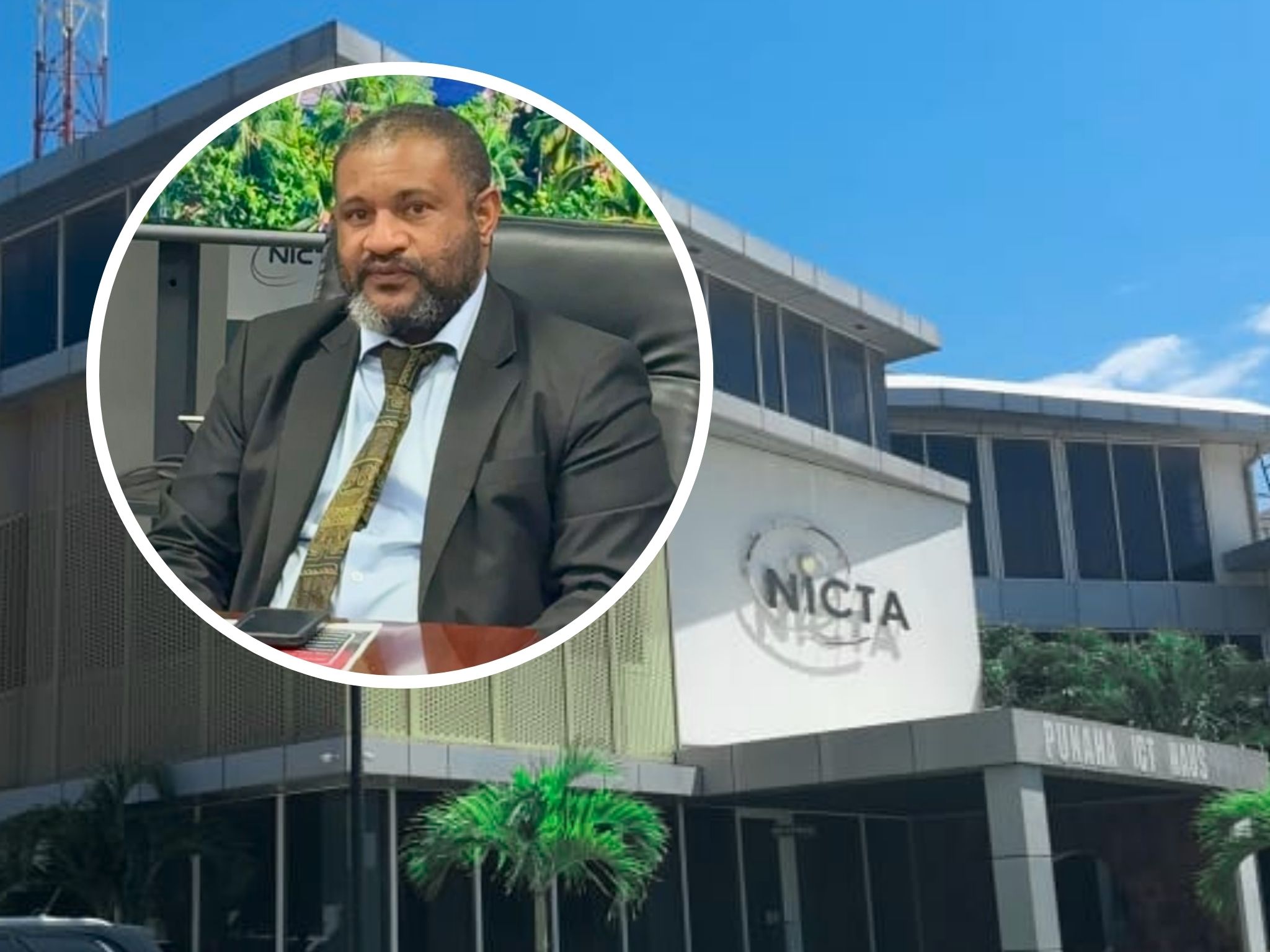
The National Information and Communications Technology Authority (NICTA) has formally established and sworn in its Special Procurement Committee (SPC), marking a major reform aimed at improving efficiency, accountability, and speed in the delivery of ICT and Universal Access Service projects across Papua New Guinea.The swearing in ceremony was held on Wednesday, June 24, 2026, at Level 7 of the Hela 1 Building in Port Moresby.The committee was officially established under National Gazette No. G456 dated 19 May 2026, in accordance with the amended National Procurement Commission Act 2021. It will operate under the Authority to Pre-Commit Committee Secretariat and is appointed for a three-year term.Previously, all procurement processes above K1 million required approval from the National Procurement Commission, a system that often caused delays in project implementation. In some cases, Universal Access Service projects were delayed between three months and two years.With the new arrangement, NICTA can now manage procurement internally for projects valued between K1 million and K5 million, reducing reliance on external approvals and speeding up delivery timelines.The SPC is mandated to manage and regulate procurement within the approved threshold, safeguard public funds, and ensure transparency, fairness, and competitiveness in supplier engagement.The committee is chaired by NICTA Director of Universal Access and Service, Mr. Warren Suti.Other members, include Mr. Flierl Shongol, Deputy Secretary for PET at the Department of Information and Communications Technology; Mr. Samson Metofa, First Assistant Secretary for FRCD at the Department of Finance and Mr. Agaru Agarobe, Executive Manager at the National Procurement Commission.In his opening remarks, Chairman Mr. Suti said the establishment of the committee represents a significant milestone for both NICTA and the broader ICT sector.He said the SPC will strengthen procurement governance and improve the efficiency of project delivery, particularly for programs aimed at expanding digital inclusion across the country.“We extend our appreciation to the National Procurement Commission and the APCC Secretariat for their guidance and support in establishing this committee,” Mr. Suti said.He congratulated the newly sworn in members and said their roles carry significant responsibility in ensuring integrity and accountability in procurement processes.“The responsibility entrusted to you is significant, and I am confident each of you will discharge your duties with integrity and professionalism,” he said.Mr. Suti also thanked the Government of Papua New Guinea for supporting the establishment of the committee, describing it as a major step forward in strengthening procurement systems within the ICT sector.Closing remarks were delivered by Mr. Geoffrey Kinibo, Executive Manager of the National Procurement Commission.The ceremony concluded with the presentation of the Common Seal, followed by a photo session and refreshments, formally marking the end of the program.
Published on June 25, 2026
SIR ANO PALA THANKS LAWES FAMILY DURING 150TH ANNIVERSARY
Rigo MP and Minister for National Planning Sir Ano Pala paid tribute to the descendants of Reverend Dr. William George Lawes during the opening of Hula's 150th Anniversary celebrations, thanking the Lawes family for the role their ancestor played in shaping the community's history.Speaking before thousands gathered in Hula, Central Province, Sir Ano acknowledged Reverend Anthony George Lawes, the fifth-generation descendant of Dr. Lawes, whose arrival on Hula's shores in 1876 marked the beginning of a relationship that would influence generations of people in the area."Your great grandfather's visit here is the reason we are here today," Sir Ano said.He said while much had already been written and spoken about Dr. Lawes' arrival, the anniversary was about more than the history of one family, one village or one church."This story about Lawes is not just about the Lawes family history. It is not only about the history of this village, the United Church, or even the country. It is also a story about the destiny of ourselves as a people," he said.Reflecting on the events of 150 years ago, Sir Ano said he often wondered what Dr. Lawes may have written in letters back to England after first meeting the people of Hula.He imagined the missionary describing the people he encountered as welcoming, peaceful and hospitable, qualities that helped build a lasting relationship between the missionary and the community.Sir Ano said one message stood above all others during the anniversary celebration."Today my message is just one word, thank you," he said.As the Member for Rigo, Sir Ano Pala expressed gratitude to the Lawes family for the contribution made by Dr. Lawes in bringing Christianity and education to Hula and surrounding communities.He said the encounter between Dr. Lawes and the ancestors of Hula helped shape a legacy that continues to be felt 150 years later.According to Sir Ano, the values of faith, friendship, peace and mutual respect that emerged from that first meeting remain evident in the community today.As Hula celebrates 150 years since the arrival of Dr. William George Lawes, Sir Ano said the anniversary serves as a reminder that the actions of one visitor and the hospitality of one community can leave a legacy that lasts for generations.
Published on June 24, 2026
DRAMA RECREATES LAWES' ARRIVAL AS HULA MARKS 150 YEARS OF FAITH
A powerful drama performance reenacting the arrival of Reverend Dr. William George Lawes in Hula 150 years ago has reminded Papua New Guineans that one of the country's most significant Christian milestones was made possible not only by a missionary's journey, but by the hospitality of the people of Hula.The performance was one of the highlights of the opening ceremony for the United Church's 150th Anniversary celebrations held on Monday in Hula, Central Province.Presented by local church youth, the drama transported hundreds of spectators back to 1876, recreating the events that led to the arrival of the London Missionary Society (LMS) missionary on the shores of Hula village.The performance depicted Lawes travelling along the Papuan coast when rough weather began developing at sea. Seeking shelter before the storm intensified, he attempted to take refuge near Hirupara. However, worsening conditions forced his vessel ashore at Hula, setting in motion an encounter that would help shape the future of Christianity in Papua New Guinea.Youth performers reenacted the historic meeting between Lawes and the ancestors of the Hula people, portraying the moment villagers welcomed the missionary and listened to the message he brought with him.The drama highlighted how that first encounter laid the foundation for the growth of what would later become the United Church in Papua New Guinea, spreading first throughout Central Province before reaching communities across the nation.Among those witnessing the performance was Reverend Anthony George Lawes, the fifth-generation Lawes of Dr. William George Lawes.Like his ancestor, Reverend Lawes has dedicated his life to Christian ministry. Although the Lawes family originated from England before later settling in Australia, he said the connection between his family and Hula remains strong after 150 years.Addressing the gathering, Reverend Lawes expressed gratitude for the invitation to participate in the historic celebration."On behalf of the entire Lawes family, thank you for inviting me to be part of this celebration and to be welcomed here where such an important chapter in both our family history and the history of Hula began," he said.He reminded those gathered that the anniversary was not only about remembering his ancestor, but also about recognizing the people of Hula whose ancestors welcomed a stranger and helped make possible the spread of Christianity throughout Papua New Guinea."The story we celebrate today is not only the story of W.G. Lawes. It is also the story of the people of Hula. Without your ancestors' hospitality, courage, friendship and willingness to embrace the Gospel, the work that followed would never have been possible," he said.Reverend Lawes also reflected on his ancestor's vision of empowering local people to lead the church. He highlighted efforts to translate the Bible into Motu and establish training institutions for local pastors, teachers and church leaders.He said the flourishing churches, schools and Christian communities seen throughout Papua New Guinea today are the result of generations of Papua New Guineans carrying that vision forward.As celebrations continue throughout the week, the drama served as a powerful reminder that the history of the United Church is not solely the story of a missionary arriving on foreign shores. It is also the story of a community that chose to welcome him.One hundred and fifty years later, that act of hospitality continues to be remembered as a defining moment that helped shape the spiritual, educational and cultural history of Papua New Guinea.
Published on June 24, 2026
HULA MARKS 150 YEARS OF UNITED CHURCH HISTORY WITH GRAND OPENING CEREMONY
The 150th Anniversary celebrations commemorating the arrival of Reverend Dr. William George Lawes and the introduction of what is now known as the United Church in Papua New Guinea (PNG), officially commenced today June 23rd in Hula village, Central Province.Among the distinguished guests attending the opening ceremony today were NCD Governor Powes Parkop, Rigo MP Sir Ano Pala, the NCD City Manager, and fifth-generation descendant of Dr. William George Lawes, Anthony George Lawes, who represented the Lawes family and amongst many other special guest The ceremony began along the road leading into Hula Market before proceeding to the village's main celebration grounds. Upon their arrival, the guests were welcomed by a marching band comprising students from Hula SDA Pathfinder, Allan Jones Primary School, Alen Jones Junior High School, and Hod Point Junior High School.The procession commenced from Allan Jones Primary School, where the students escorted the official guests through the village and towards the main celebration venue. At the entrance to the grounds, the guests were formally handed over to the Police Band, which then led them into the main arena for the official opening proceedings.The celebration showcased the unity and strong faith of the Hula community, particularly within the United Church denomination, while honoring a significant milestone in the country's Christian history.This year's anniversary marks 150 years since Reverend Dr. William George Lawes of the London Missionary Society arrived on the shores of Hula in 1876, an event that paved the way for the establishment and growth of what is today known as the United Church in Papua New Guinea.The week-long celebrations officially began on June 23 and will continue with church services, cultural performances, historical commemorations, and community activities highlighting the enduring legacy of the church and its impact on generations of Papua New Guineans.A key presence at the opening ceremony was Anthony George Lawes, representing the Lawes family and the fifth generation of descendants of Dr. William George Lawes, whose missionary journey to Hula became a defining moment in the spiritual and social history of Papua New Guinea.
Published on June 23, 2026
DAME KEKEDO BACKS MERIT BASED PROMOTIONS IN THE RPNGC
Chairlady of the 2026 Royal Papua New Guinea Constabulary Promotion Board, Dame Jean Lucilla Kekedo, DBE, DBStJ, CSM, has backed the challenge by Minister for Police Sir John Pundari for promotions within the force to be based on performance, integrity and merit rather than personal connections while also calling for recognition and inclusion of women within the Constabulary.Speaking at the swearing-in ceremony of the 2026 Promotion Board at Police Headquarters as the board’s chairlady, Dame Jean said the board will remain committed to ensuring deserving police officers are recognized through a fair and transparent process.She acknowledged the Minister's call for the board to select officers based on their record of service and contribution to policing rather than connection or influence.“One thing you will know, Minister and Commissioner, is that I do not know any of those names on the list, the only way I assess those officers is by reading what they have done, reading their history and asking questions about their service.” Dame Jean said.Dame Jean said her role as Chairlady was to ensure the process remains impartial and focused on identifying officers who have demonstrated professionalism, leadership and commitment to duty.She said the board would carefully assess each recommendation to ensure deserving officers are not overlooked during the promotion process.The Chairlady also highlighted the importance of public trust in policing and said communities expect police officers who demonstrate integrity, discipline and professionalism.“As a woman, we want police officers we can trust, officers we can approach and speak with confidently, whether they are men or women,” she said.Dame Jean also called for greater recognition and inclusion of women within the Constabulary, noting that significant progress has been made over the years but more work remains to be done.She said government agencies and institutions must continue to consider the needs of women when planning facilities, accommodation and workplace environments.The Chairlady acknowledged the support of the Australian Government towards policing development and the advancement of women in leadership and professional roles within Papua New Guinea.Reflecting on her long association with the Constabulary, Dame Jean said she had witnessed significant changes in policing over the years and was encouraged by ongoing efforts to modernize the organization.She also praised the discipline displayed by officers and staff at Police Headquarters, saying discipline remains one of the foundations of an effective police force.Dame Jean said the Promotion Board carries a significant responsibility and pledged to work with fellow board members, Deputy Commissioner and Chief of Administration Dr Philip Nitma and Assistant Commissioner of Police for Policy and Planning Regga Neggi, to ensure promotions are assessed fairly and professionally over the coming months.The 2026 Promotion Board is expected to oversee promotion assessments across all ranks of the Royal Papua New Guinea Constabulary during its 12-month term.
Published on June 22, 2026