A six-pillar framework to strengthen gender equality and social inclusion is being advanced as part of Papua New Guinea’s updated climate commitment under NDC 3.0 with experts stressing the need to turn policy into practical action.
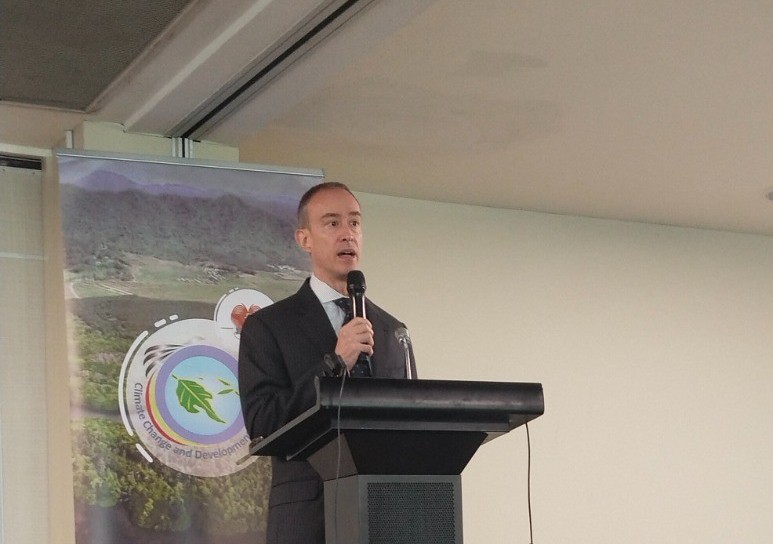
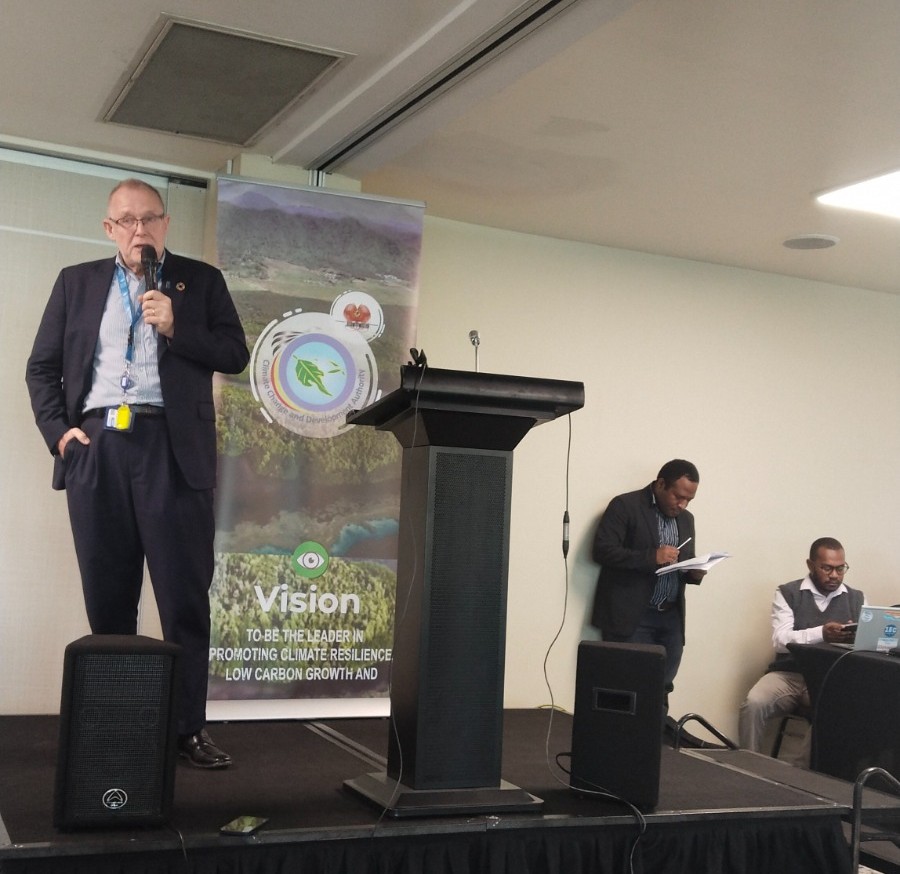
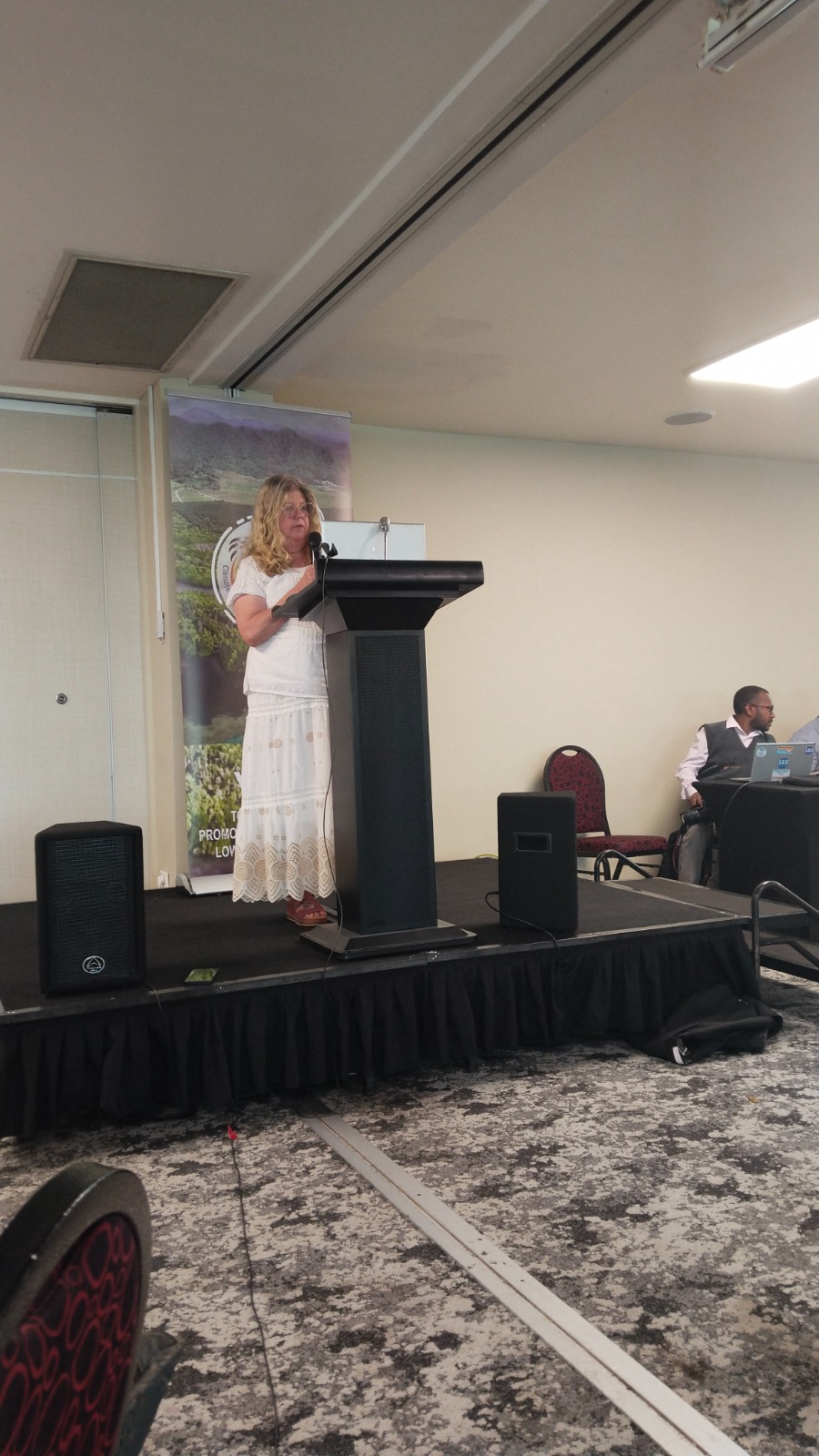
Speaking during the CCDA consultations, social anthropologist Dr Jennifer Gabriel said the proposed framework is designed to ensure inclusion becomes a core foundation of the country’s climate strategy rather than an add-on.
She explained that the plan focuses on six key areas: systemic mainstreaming, participatory leadership, inclusive finance, responsive analysis, institutional capacity building and data-driven accountability.
Under the framework, gender considerations would be embedded across major climate sectors such as energy, infrastructure and agriculture.
This includes targeted training for women and youth in renewable energy skills like solar installation and maintenance, particularly in rural and off-grid communities.
Dr Gabriel said the approach also aims to move beyond symbolic consultation by giving women and young people meaningful roles in decision-making at national, provincial and community levels.
She noted that women already play important informal leadership roles in areas such as water management, health and food security and these contributions should be recognized.
Inclusive finance is another priority, with proposals for dedicated funding windows to help women- and youth-led small businesses access climate finance for mitigation and adaptation projects.
The framework calls for gender- and youth-responsive analysis at the design stage of climate programs to ensure benefits reach vulnerable groups.
It also emphasizes ongoing training to build a skilled workforce for the green economy, rather than one-off workshops.
Improved data collection will be required to track the social impacts of climate initiatives, including the use of sex- and age-disaggregated data to meet transparency and reporting requirements.
Proposed sector actions include appointing more women and youth to decision-making bodies in the energy sector, supporting women-led climate-smart agriculture initiatives and directing climate finance toward community-level health and nutrition programs.
Faith-based organizations, NGOs and civil society groups are expected to play a key role in implementing and monitoring the initiatives at community level as Papua New Guinea works to ensure its updated climate commitments are inclusive and action-focused.