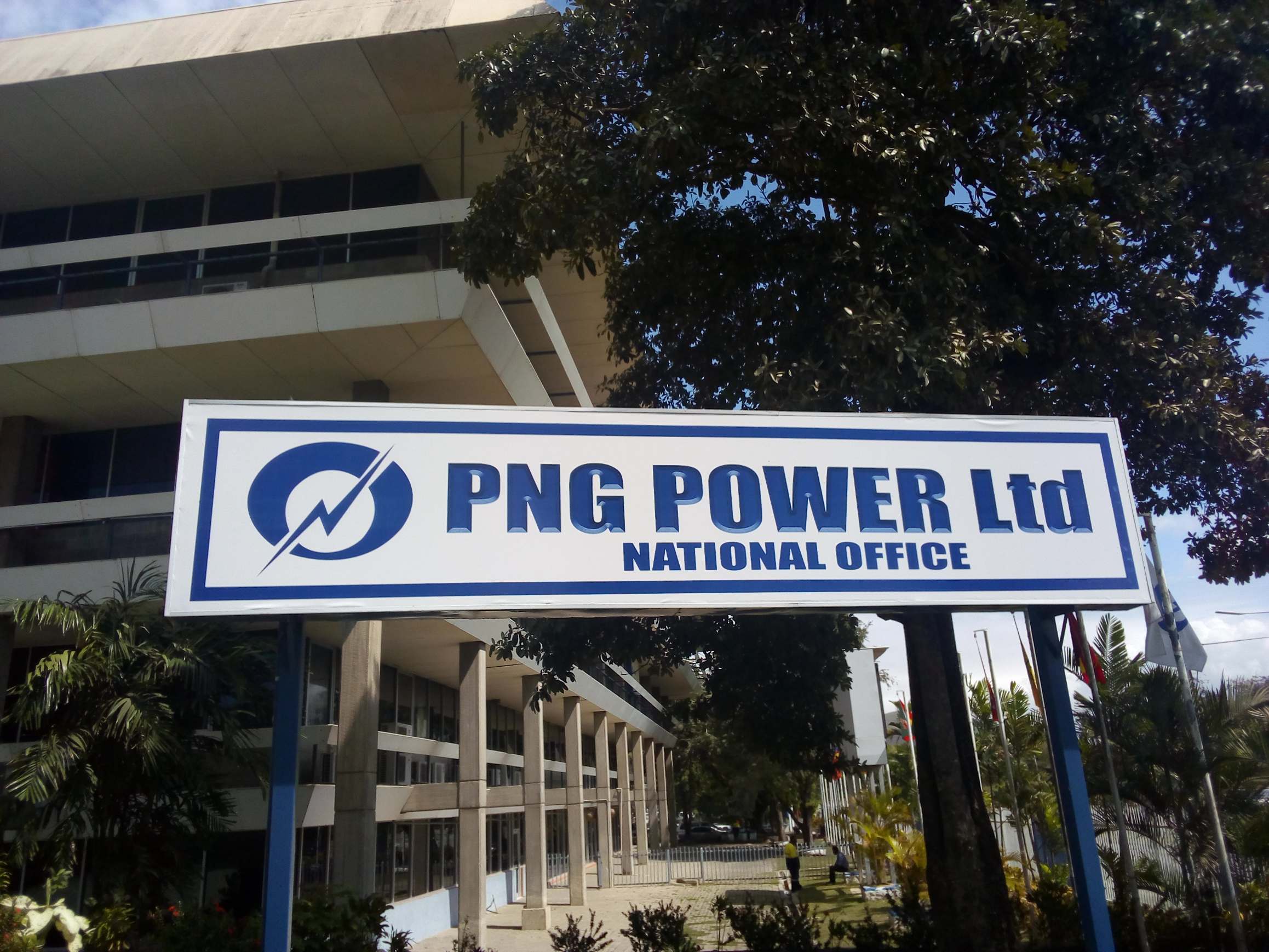

The deliberate vandalism of power transmission lines is adding on to the already many issues affecting PNG Power Limited (PPL) production capacity, leading to the shortfall of electricity supply to its customers in Port Moresby city.
PNG Power has confirmed that deliberate vandalism of transmission lines, compounded by El Niño drought conditions and fuel shortages, is a key reason behind the shortfall in electricity supply. It’s the most challenging power crisis in recent years.
PNG Power Chief Executive Officer (CEO) Paul Bayly said that the deliberate damage to transmission lines is one of the key reasons behind the severe load shedding affecting Port Moresby.
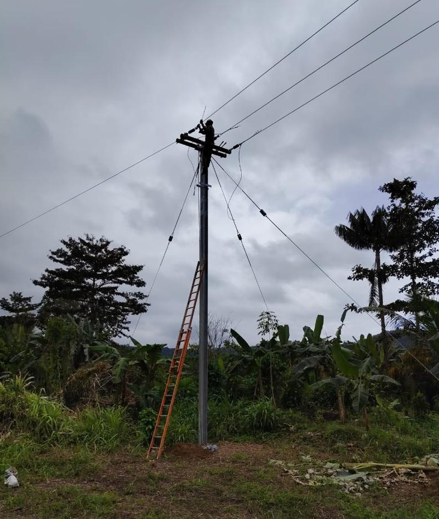
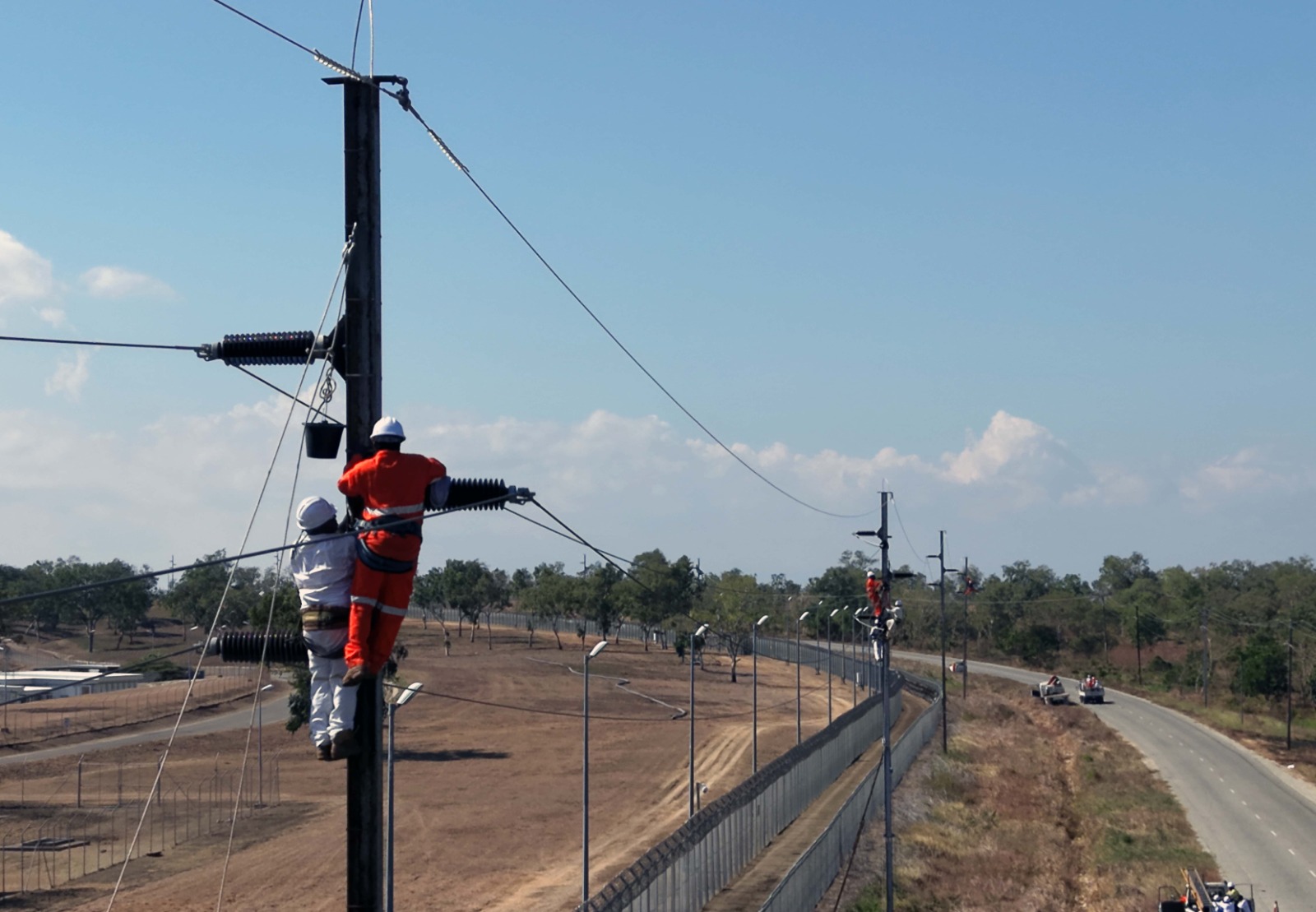
“Our teams have identified cracked insulator discs along the L545 transmission line between Dirio Gas Power Station and Kanudi Switchyard. While some damage is linked to dust build‑up during the El Niño drought, we have also confirmed that individuals have been using slingshots to deliberately target these poles and insulators.”
The L545 faults relate to cracked 66kV disc insulators. Prolonged dry conditions under the El Niño have led to heavy dust accumulation on the insulators, which produced a corona effect and allowed electrical tracking to develop between the conductors, the dust build‑up, and the steel poles. This tracking caused sparking, progressively cracking a number of discs along the line. The first fault occurred on 7th August 2026, and since then our crews have been conducting pole‑by‑pole inspections, replacing cracked discs, and washing insulators to remove dust build‑up.The resulting loss of Dirio Gas Power Station’s 28 MW output has compounded an existing shortfall of approximately 15 MW already caused by reduced hydro generation under El Niño conditions.
“I strongly appeal to members of the public: if you see anyone vandalising power infrastructure, report it immediately to PNG Power or the police. These reckless acts are not only illegal but directly responsible for outages that disrupt homes, hospitals, schools, and businesses across Port Moresby,” said the CEO.
In addition to vandalism, the current load shedding is also being driven by Low water levels at Sirinumu Dam and Rouna hydro stations, reducing hydro generation, and Fuel supply and equipment issues at Moitaka and Kanudi thermal plants, leaving only 5 MW available out of a rated 128 MW.
Together, these factors have left Port Moresby with just 116 MW of available generation against a weekday demand of 150 MW, forcing PNG Power to implement rotational load shedding across suburbs.
Nevertheless, PNG Power is working urgently to mitigate this by:
Short‑term (2–6 weeks): Completing the L545 line restoration, commissioning Rouna hydro units currently ready for service, and sourcing temporary emergency generation to bridge any residual shortfall.
Medium‑term (2–6 months): Progressing rehabilitation of the Kanudi and Moitaka thermal units, and implementing a transmission asset integrity programme - including regular insulator washing during dry/El Niño periods - to prevent recurrence of faults such as those on L545.
“We understand the inconvenience this causes and thank our customers for their patience and cooperation as we work to restore reliable supply.”
PNG Power is working urgently to restore the L545 line, rehabilitate thermal units, and manage water releases responsibly. We understand the inconvenience this causes and thank our customers for their patience and cooperation as we work to restore reliable supply.”