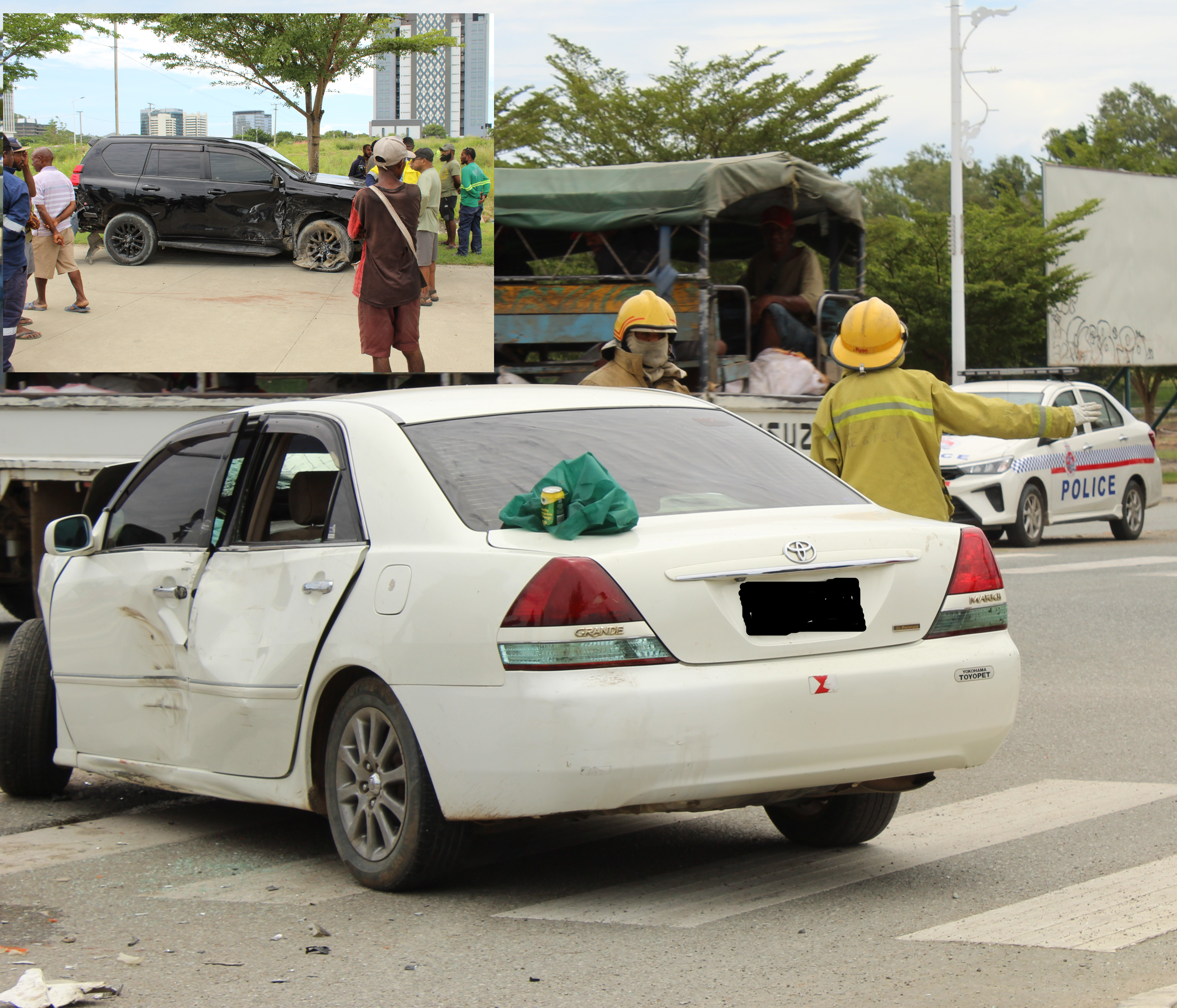
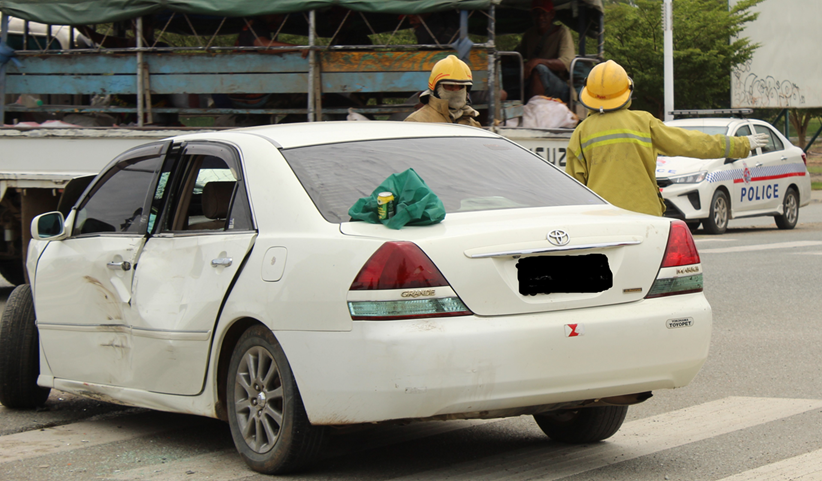
In recent times there have been a lot of vehicle road accidents that we have seen either on the news, on social media or witnessed firsthand, an unfortunate thing that has now become a major concern bringing into question why road safety is at stake here.
The PNG HAUSBUNG team took this into consideration and set out to enquire as to why efforts to ensure road safety is not effective enough to reduce or prevent further vehicle road accidents particularly in Port Moresby city and its outskirts, which are the areas in the Central province bordering the nation’s capital city.
One thing that came into attention was the lack of regular road check- points especially on the weekends when people tend to take on leisure activities going clubbing or attending functions or events; a time when the likelihood of drinking and driving is very high.
Another thing that came into attention was the lack of police and the Road Transport Authority (RTA) impounding vehicles that are un-roadworthy, unregistered and with no safety stickers. Although some efforts were made to remove these sorts of vehicles from the roads, it was not maintained.
Still, in the city there are Public Motor Vehicles (PMVs) and taxies along with private vehicles currently running without proper documents and some of them are visibly un-roadworthy, which is a breach to road safety and the traffic laws of this country.
According to the Asian Transport Observatory (ATO) on Papua New Guinea (PNG) Road Safety Profile 2025, road safety remains a significant challenge in PNG.
“While progress has been made in reducing fatalities, the country still faces a high burden of road traffic injuries and deaths,” stated the ATO on PNG’s Country Summery.

The ATO road safety profiles offer insights into the road safety in 37 Asia-Pacific countries by utilizing road safety related data from various sources and policy information extracted from a range of documents.
So, the question posed here is what has been done or is being done to address this matter going forward?
One way to address this matter is by conducting regular vehicle road checks.
According to general information sourced from the police, all police stations and police units including the traffic police are issued directives from the police high command to carry out routine stop checks, either at police check- points or while on the move.
They are to stop and check all drivers of vehicles who are breaching traffic laws, be it driving under the influence of alcohol or of other substances, driving unregistered vehicles, un-roadworthy vehicles, drivers driving beyond speed limits or suspected stolen vehicles.
This is being done no doubt; however, it is not done on a consistent basis, hence, most of the time drivers tend to get away with breaches, and when this is happening at a regular pace, it leads to danger on the roads were people become victims of road accidents.
PNG HAUSBUNG did reach out to the National Capital District (NCD) police high command numerous times but was unable to get a definite answer on the statistics of road accidents in 2025 and the start of 2026, plus what further actions the police has taken, or is taking, or will be taking to enforce road safety for everyone.
The other State body taking care of this is matter is the Road Traffic Authority (RTA) which was established by the National Parliament to administer the regulation, safety and use of land transport throughout Papua New Guinea.
PNG HAUSBUNG also reached out to the Chief Executive Officer (CEO) of the RTA but to no avail.
Nevertheless, according to the Road Traffic Authority Corporate Plan 2025- 2027 that was launched in July 2025, the RTA plan focusses on,
• Safety and Sustainability: Reducing Road deaths and injuries.
• Digital Transformation: Introducing new digital services for licensing and registration.
• Regulatory Enforcement: Strengthen compliance.
The plan also includes enhancing road safety compliance improving access and turnaround times for licensing and vehicle registration, introducing new digital services and expanding regional service delivery.
All these looks good on paper, but the actual implementation will count.

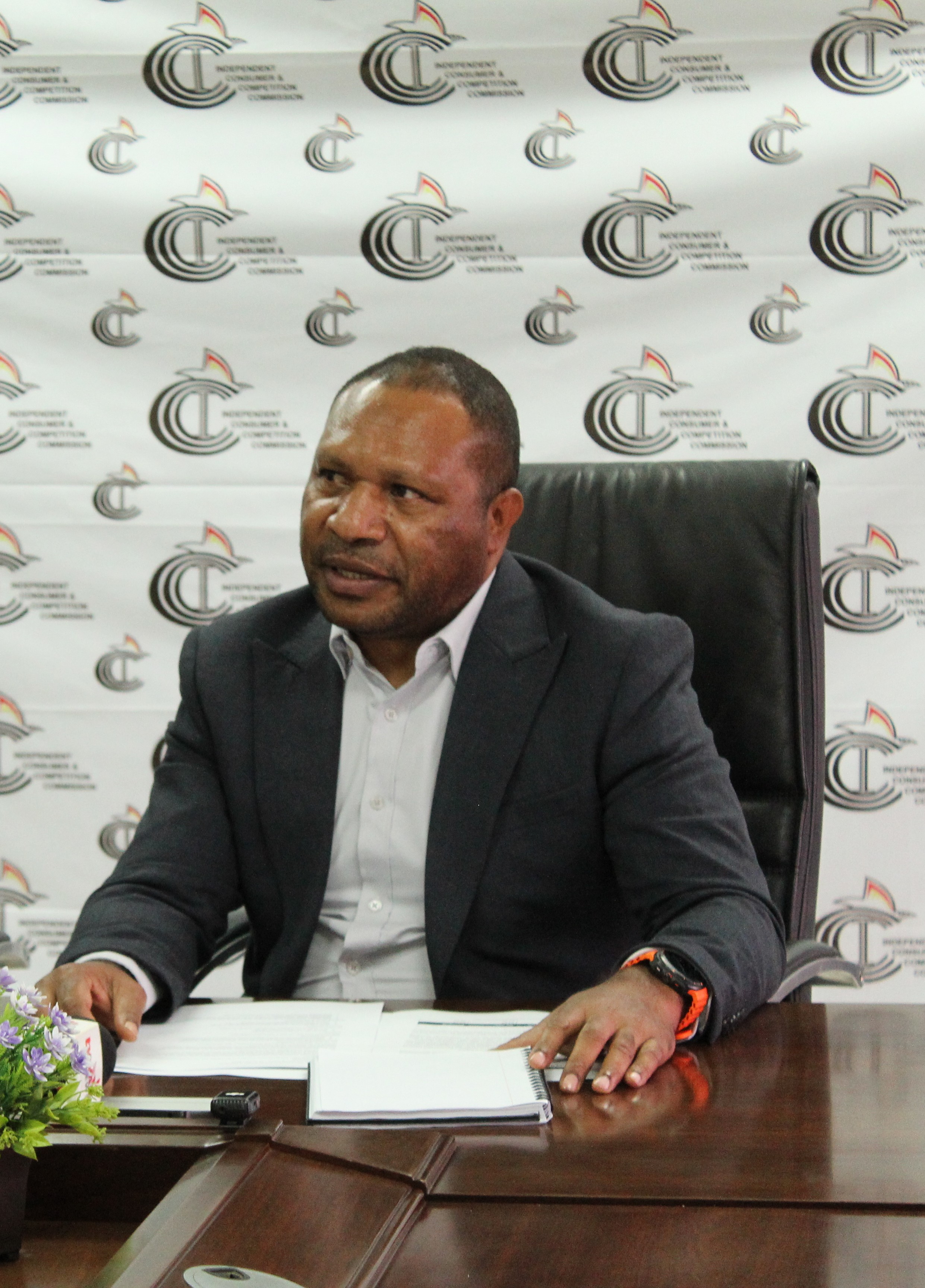
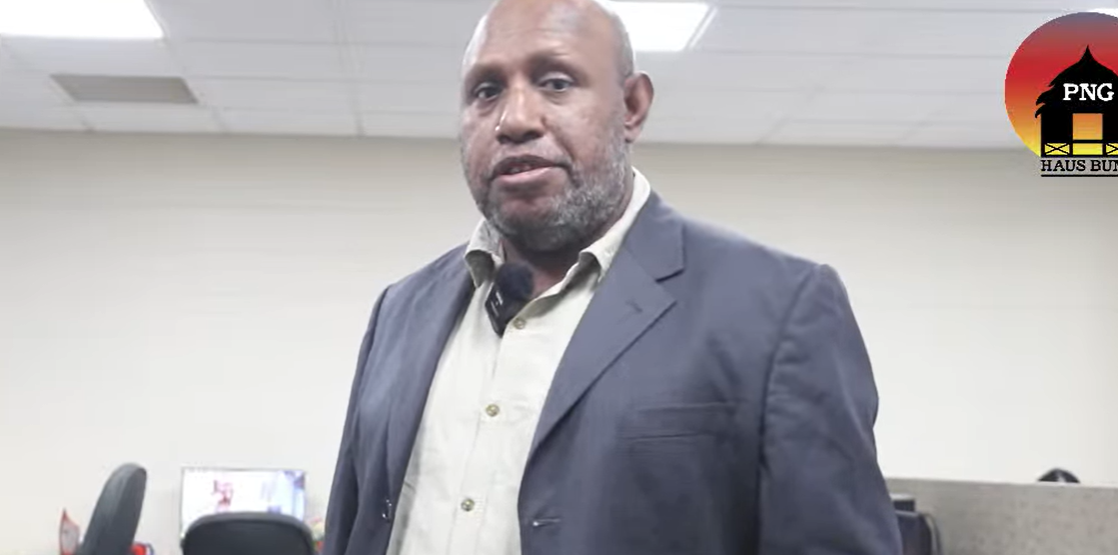
Meanwhile, one person who is eager to see improvements made to how road safety is being implemented, is the President of the National Capital District (NCD) PMV Association, Mr. Jack Waso.
Mr. Waso is a prominent advocator for issues affecting PMVs, who usually calls for improvements to be made to public transport infrastructures like proper bus stops, the issue of police harassment of PMV drivers and of course, road safety.
Speaking to PNG HAUSBUNG, he said the safety of the people on the roads is at stake as a lot of things are not being implemented to ensure safety, and he said carrying out road safety awareness is one approach that must be stepped up.
“There are a lot of things that are not going well,” said the NCD PMV Association President, Mr. Waso. “Police are not doing their job, NCDC (National Capital District Commission) is not doing its job, and the Road Traffic Authority is not doing its job.”
He claimed that the lack of action by these State bodies is resulting in injuries and deaths each year caused by road accidents.
Mr. Waso also added that with the Connect PNG Programme linking the Southern Highlands province, the Morobe province and the Southern Region to NCD with the new roads being constructed, it could result in more cases of road accidents if there is a lack of commitment to enforcing road safety by the authorities.
His call now is simple, the people responsible for everyone’s safety on the roads must do their jobs sincerely.
So, road safety is not a joke. When it comes to safety, one must be comforted by the thought that the authorities are out there doing their jobs to keep all of us safe; however, if they are not committed to it and neglecting their duties, who is to say our safety on the roads will be guaranteed.