Papua New Guinea is strengthening its commitment to creating safer and more inclusive schools through the revision of its Behaviour Management Policy (BMP), with support from the PNG–Australia Partnership.
The National Department of Education (NDoE) is updating the policy to better promote student wellbeing, encourage positive behaviour, and foster respectful learning environments for children across the country.
The revised policy addresses emerging challenges facing schools, including bullying, school-related gender-based violence, and the increasing influence of social media, artificial intelligence (AI), and digital technologies on students.
Designed to support all learners, the policy places particular emphasis on ensuring girls, boys, children with disabilities, and other vulnerable students feel safe, respected, and supported in school.
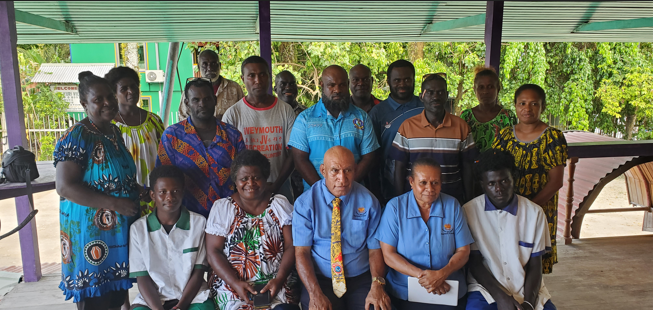
The review has been shaped through consultations with teachers, students, parents, school leaders, and community members, recognizing that creating safe schools is a shared responsibility.
First Assistant Secretary for the Guidance and Counselling Division at the National Department of Education, Phillip So'on, said the revised policy goes beyond managing student behaviour.
"This policy is about more than managing behaviour. It is about shaping the culture of our schools for generations to come. It lays the foundation for safe, inclusive, and respectful learning environments that respond to today's realities while preparing schools for future challenges.”
School leaders have welcomed the reforms, describing them as both timely and necessary.
The revised policy promotes preventative approaches to behaviour management by encouraging positive behaviour, reinforcing the existing ban on corporal punishment, and supporting fair, non-violent and consistent responses that prioritize children's wellbeing.
Aligned with Papua New Guinea's National Education Plan and its commitments to inclusive education and gender equity, the 2026 Behaviour Management Policy and Guide for Schools is expected to provide schools nationwide with practical guidance to create learning environments where every child can learn safely and reach their full potential once it is finalized.