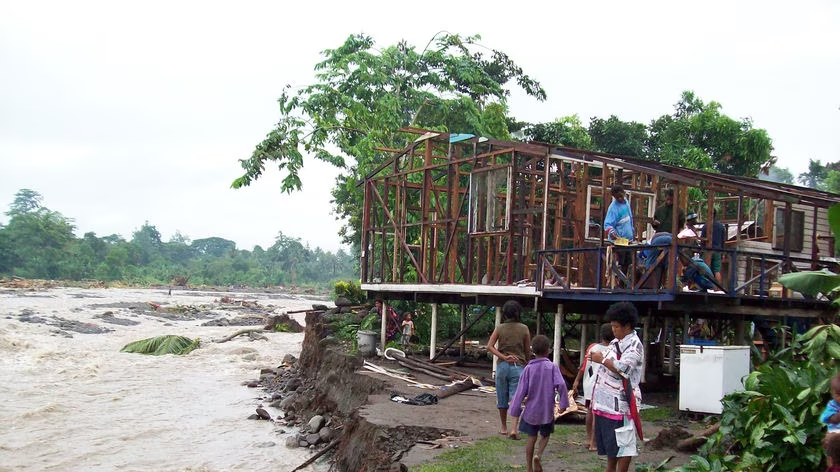
Papua New Guinea (PNG) being a tropical country experiences both the dry and wet seasons, but in recent times the nation has experienced an increase in natural disasters that occur usually during the wetter months of the year, which is generating some significant concerns for authorities.
From the month of May to November is the dry season while the wet season is from December to the month of April and because of the intensity of the wet season experienced lately, the chances of natural disasters like flesh flooding and landslides occurring in various parts of the country is highly likely, and it is for the reason that the National Disaster Centre has issued strong precautionary messages and awareness to keep people safe during this wet season.
Mr. Andrew Oaego, the Caretaker and Assistant Director for Risk Management, stated that in places that are prone to flooding such as riverine areas, the communities need to be always prepared during this wet season.
“Communities or families must develop floodplain zoning regulations, build levees, floodwalls, embankments, make sure there is regular cleaning and maintaining of the drainage systems.”
“All communities must install or develop early warning systems, create emergency plan and must also keep emergency kit to use during disaster.”
He stressed that every individual must always take necessary precaution during heavy rain, avoid crossing fast flowing rivers, always stay indoors during heavy down pours and always take precautions when moving around during heavy rains.
“All adults are to monitor small children during heavy rain.”
“People are urge to stay clear from low lying areas, move away from stream and riverbanks, as well as move inland if closer to shore to avoid flooding.”
The National Disaster Centre has also issued a stern warning and awareness on landslide disasters.
Mr. Oaego explained that landslide is a movement of rocks and soil down a slope often triggered by heavy rainfall, earthquakes or even human activities. Sadly, as experienced in PNG, lives are lost and properties are usually destroyed during this type of natural disaster.
Other times landslide often cause blockage to rivers causing flooding upstream; thus, resulting in more danger for down stream people.
To prevent such disasters, the office recommends planting vegetation to stabilize slopes and avoiding construction on steep or unstable terrain.
He further stated that drivers during the wet season must drive with precaution along slope areas on the roads and highways.
“It is important for all communities to monitor at risk areas and install warning systems, identify safe zones and routes for escape, know areas that are prone to landslide and always have an evacuation plan.”
People in areas that are most likely at risk for land slide are to relocate temporarily if heavy rain persists as it is better to be safe than sorry.
“The National Disaster Centre sends this precautionary message for all people, communities to follow, thus this message is to reduce casualties, save lives and property. Therefore, taking heed to this save's lives.”