

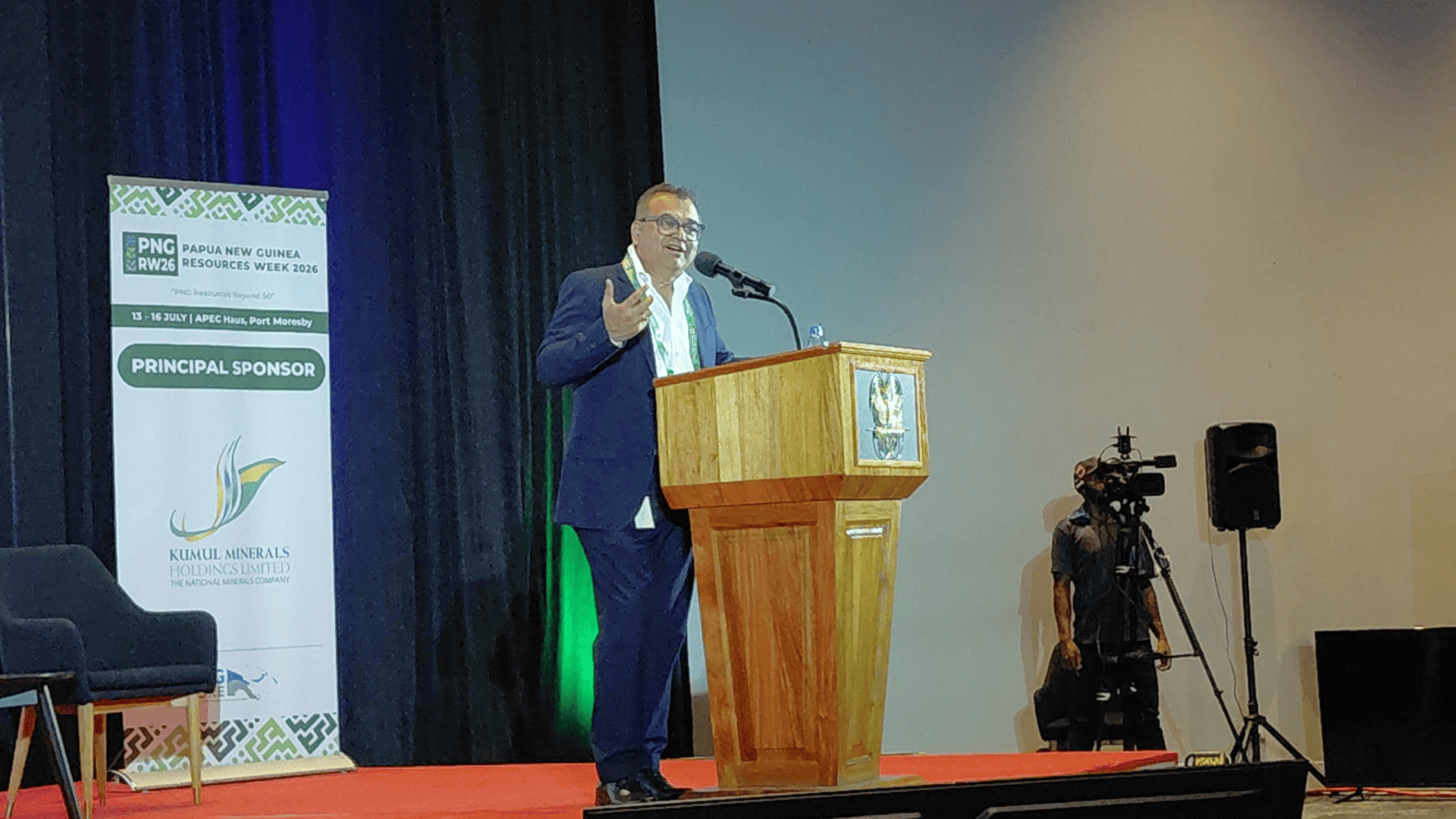
Planning for retirement should focus not only on when members want to retire, but also on how much they will need to maintain their desired lifestyle, says Nasfund.
The superfund's boss highlighted the importance of target-based retirement planning during the Finance in Resources & Energy session during the PNG Resources Week 2026.
Nasfund Chief Executive Officer (CEO) Rajeev Sharma said members often set retirement goals around a specific age, such as 50, 55, or 60, without identifying the level of savings required to support their desired lifestyle after leaving the workforce.
Aligning a retirement age with a savings target provides a clearer and more realistic pathway to long-term financial security. Sharma said inflation is one of the most important factors members should consider when setting retirement savings targets.
For example, a member requiring K1,000 per month in living expenses today could need approximately K2,500 per month in 30 years' time to maintain the same standard of living. "Retirement planning should be about a target amount, not just a target age.
Members need to understand the amount they'll need, and how inflation affects that amount over time, so they can plan a retirement that actually works. Helping members accumulate sufficient savings for retirement remains a core focus for Nasfund.
Achieving this requires both disciplined investment management by the fund and informed financial planning by members throughout their working lives. With a membership base spanning multiple age groups, including many members approaching retirement, Nasfund's investment decisions must balance reliable liquidity and cash flow needs with opportunities for long-term growth.
This balanced approach supports members nearing retirement while continuing to deliver sustainable returns for younger members, building their savings over time. Approximately 65 per cent of Nasfund's total portfolio is currently invested in Papua New Guinea, reflecting the fund's commitment to generating value for members while contributing to national economic development.
Sharma's comments were part of a broader address to the Finance in Resources & Energy session, hosted by the PNG Chamber of Resources & Energy (PNG CORE), on the role of superannuation funds in supporting long-term financial security for members while contributing to national economic development.