

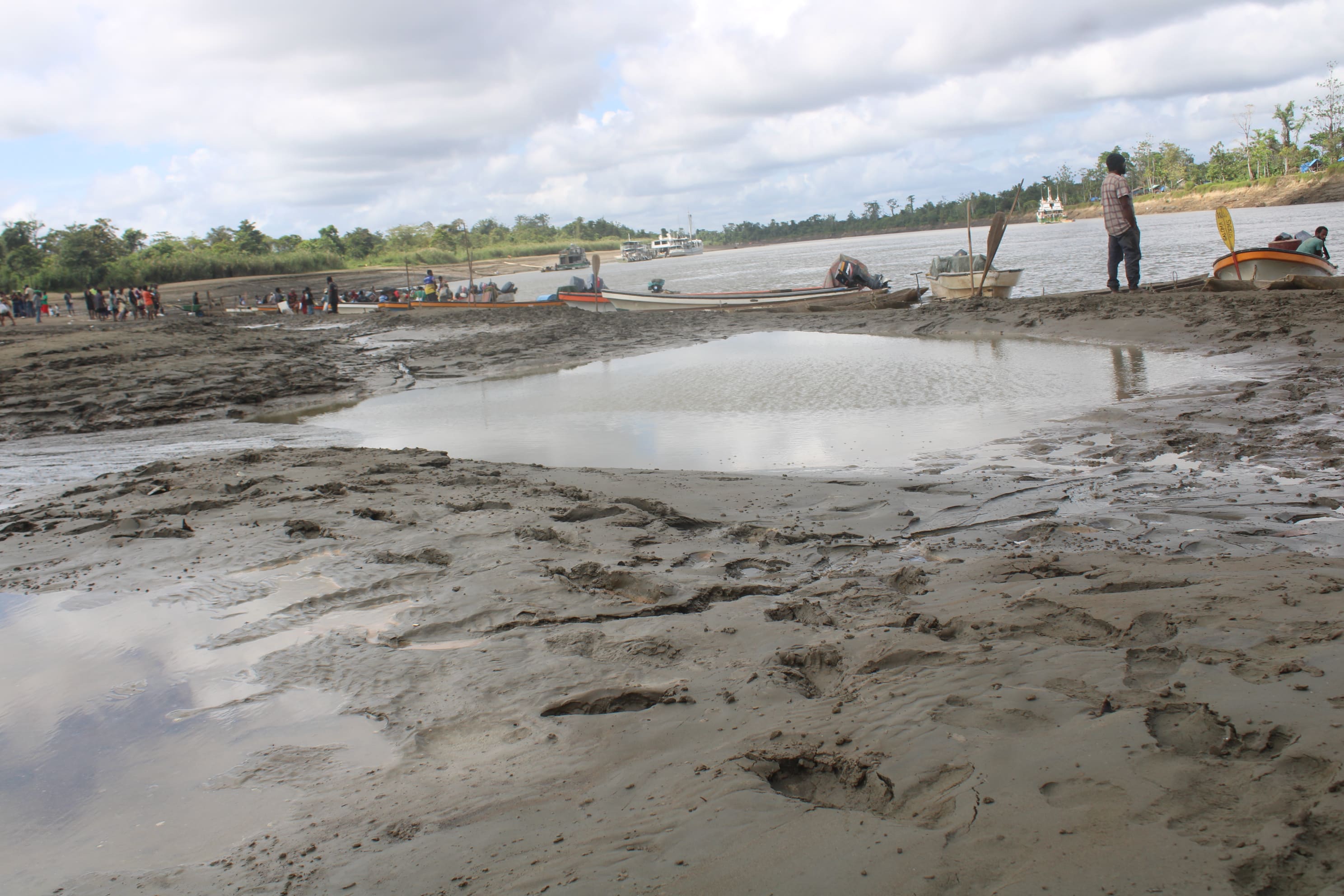
Health authorities in North Fly District are closely monitoring communities for potential disease outbreaks as a prolonged dry spell leaves residents struggling to access clean water.
North Fly District Health Manager Rody Ukin says about 14 major health facilities across the district have been instructed to closely monitor illness patterns and report any increase in disease cases.
Ukin said the lack of water was creating concerns about hygiene and the possible spread of waterborne diseases.
“People may be drinking bad water because we haven't received any rainwater so far,” he said.
The shortage has also made washing and maintaining personal hygiene more difficult, particularly in communities where people have to travel long distances to find water.
Despite the concerns, Ukin said health authorities had not yet recorded a significant increase in disease cases.
Malaria remains common in the district, while health workers are also monitoring respiratory conditions such as asthma and coughs.
“We have not recorded high in any of the diseases. Otherwise, we are monitoring at this stage,” he said.
Health facilities are conducting regular surveillance, with information being collected from government and church-run facilities as well as aid posts.
Ukin said health workers had been instructed to immediately report any unusual increase in sickness.
The district currently has sufficient stocks of basic medicines and antibiotics, although some facilities have already started experiencing shortages.
The main health facility in Kiunga has enough supplies to last for less than two months, while additional medical supplies remain in Port Moresby awaiting transportation to North Fly and Middle Fly.
Ukin said the provincial government had provided support for medicines and funding to help maintain health services.
However, the continuing shortage of water and fuel is creating additional challenges for health workers conducting outreach services in remote communities.
Authorities say continued monitoring will be critical as the dry spell persists and communities increasingly rely on alternative water sources.