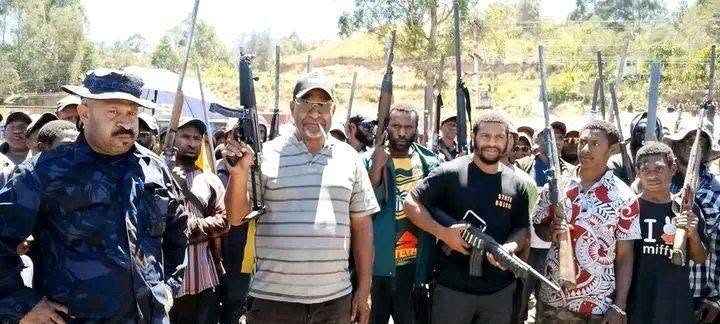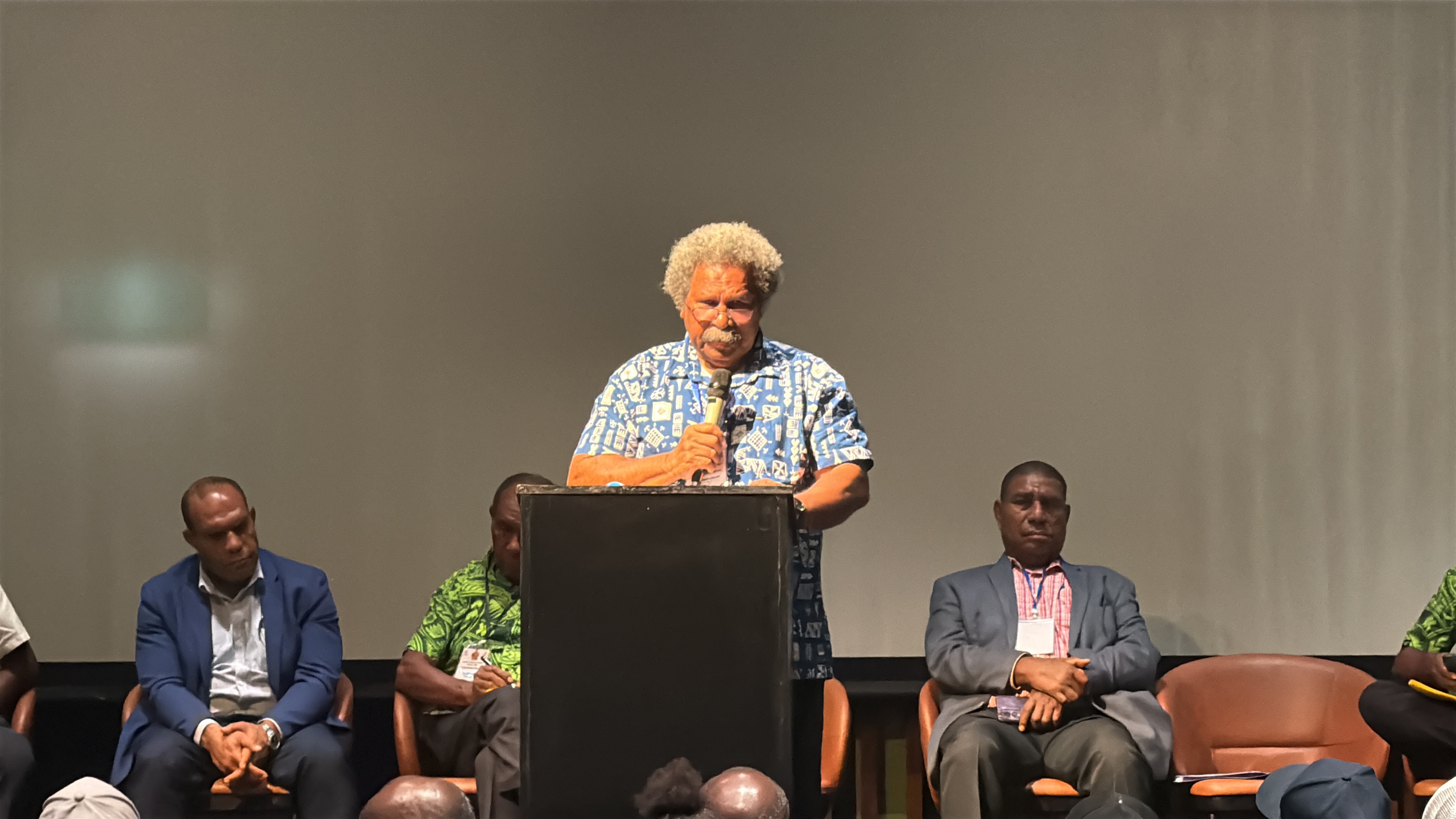

The national gun amnesty and proposed gun buyback program must do more than remove firearms from communities and should be linked to long term peace agreements, Says Paul Barker the Executive Director of Institute of National Affairs.
Speaking with PNG Hausbung, Barker said the buyback could contribute to reducing the number of illegal firearms in communities but warned that its success would depend on how the program is designed and implemented.
He said authorities must ensure the buyback does not simply become a cash transaction where people surrender firearms, receive money and then use the proceeds to purchase new weapons or ammunition.
“The buyback can make a contribution, so long as one makes sure that it’s not just a buyout where weapons are handed in and people make some money out of it and then use the proceeds to buy new weapons or ammunition,” Barker said.
Barker said removing ammunition from circulation should be given particular attention because firearms themselves do not cause the injuries and deaths seen during armed conflicts without ammunition.
“It’s not the weapons that really cause the damage. It’s the ammunition. The bullets that are flying,” he said.
However, Barker said taking firearms and ammunition out of communities would only address part of the problem if the conflicts that drive people to use them remain unresolved.
He said communities affected by tribal fighting must be involved in finding lasting solutions, with leaders on opposing sides working towards local peace agreements and using customary conflict resolution mechanisms to maintain those agreements.
“It has to be at the grassroots level, where the community itself and the communities on both sides of a conflict are agreeable, want to see peace and see a net benefit from achieving peace,” Barker said.
Barker pointed to communities in Chimbu and Eastern Highlands, including Ungai Bena, as well as parts of Western Highlands, where local leaders have worked to bring rival groups together and reduce the influence of individuals who benefit from continued conflict.
He said such local efforts demonstrate why communities themselves must have ownership of peace agreements rather than relying entirely on police or defence forces to impose stability.
While acknowledging the role of police and defence forces in supporting local peace efforts, Barker said lasting peace could not be achieved through security operations alone.
He also warned that the government must consider the economic interests that can develop around prolonged conflict.
Barker said continued instability can create financial opportunities for people providing accommodation and other services to police, defence and law enforcement personnel deployed to conflict affected areas.
“People are also making money out of renting out accommodation to the police, the defence and others, to law enforcement agents. And they have a bit of an incentive to see conflict continuing,” he said.
Barker said these potential incentives should be considered when designing the gun amnesty and buyback program so that financial interests do not undermine efforts to end violence.
He said the government should therefore combine the removal of firearms and ammunition with strong community participation, clear safeguards and locally negotiated peace agreements.
For Barker, the measure of success should not simply be how many guns are surrendered, but whether the program helps communities move away from armed conflict and maintain peace after the weapons have been removed.