
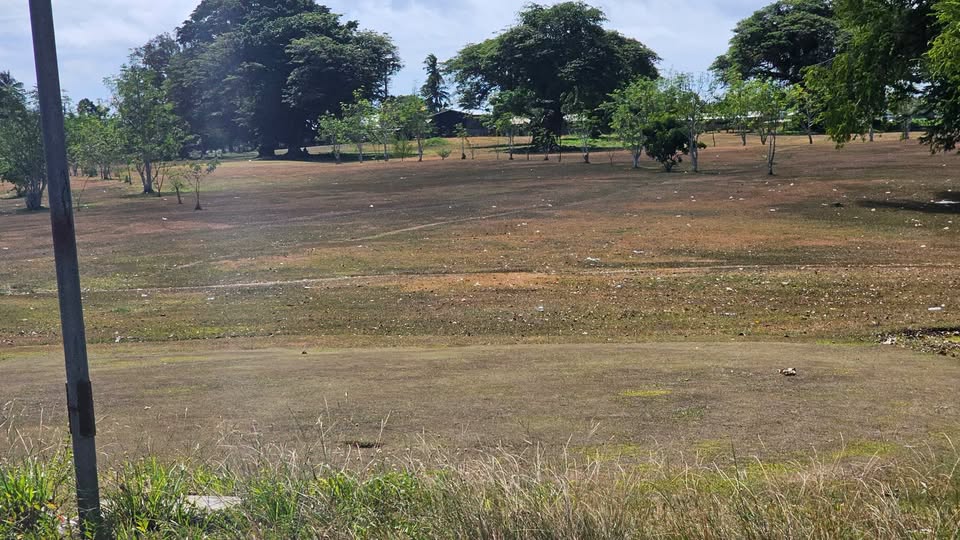
Living conditions across New Ireland Province are deteriorating rapidly as the severe El Niño-induced drought conditions cripple livelihoods and disrupt daily life, even schools are being impacted.
The crisis has reached critical levels, forcing schools to cut classes short and leaving remote communities without reliable access to clean water.
Mr. Terence Tasia, New Ireland Provincial Disaster Coordinator, confirmed to PNG Hausbung that the shortage is affecting educational institutions province-wide.
"Most of the schools in the province are starting to send their students home after half-day classes. The water shortage issue in schools is severely affecting their learning capacity and overall attendance," Tasia reported.
Reports indicate that the drought is not isolated to one area but spans the entire province, from North Kavieng down to Namatanai in the south. Communities are facing acute water scarcity, impacting both domestic use and agricultural activities.
Meanwhile, the disaster response efforts have been stalled due to administrative vacancies at the provincial level.
The Provincial Executive Council (PEC) recently endorsed and approved rapid assessment and response plans aimed at resupplying water services to affected communities; however, implementation has been delayed.
"We are unable to do anything at the moment due to the current issue with the Provincial Administrator’s position," Mr. Tasia explained. He emphasized that the lack of a confirmed administrator is creating a bottleneck, preventing the release of funds and the mobilization of resources necessary to address the crisis.
Tasia expressed hope that the administrative issues would be resolved swiftly, allowing the province to proceed with its emergency plans.
"New Ireland Province should not have any issue with water availability geographically," he stated, noting that the province sits on abundant aquifers.
"If we were to drill, the depth would be no more than 40 meters to find good, clean water that can be used."
In response to the growing emergency, the province has engaged an expert in geohazards to conduct a comprehensive disaster assessment. However, Mr. Tasia highlighted a disconnect between provincial centres and the National Disaster Centre (NDC).
While the NDC has requested data and reports to coordinate national relief efforts, provincial authorities have been reluctant to provide them until internal governance issues are settled.
"Right now, we need to set up our Provincial Emergency Operation Centre (PEOC) and commence our monitoring component," Tasia said.
"We must gather accurate data based on the real issues affecting people in the communities so that targeted solutions can be implemented."
He called for a unified, collaborative effort from all sectors—from the provincial government down to district and Local Level Government (LLG) administrations—to combat the El Niño crisis effectively.
Compounding the water crisis, is the isolation of remote populations. Due to adverse wind and sea conditions caused by the weather patterns associated with El Niño, communities in the outer islands are finding it increasingly difficult to access essential services and supplies from the mainland. Boat travel has become hazardous, cutting off vulnerable populations from medical aid, food, and other necessities.
“For work to commence effectively, the current issues at the provincial administration level have to be sorted out immediately so that disaster response efforts can commence soon," Mr. Tasia urged.
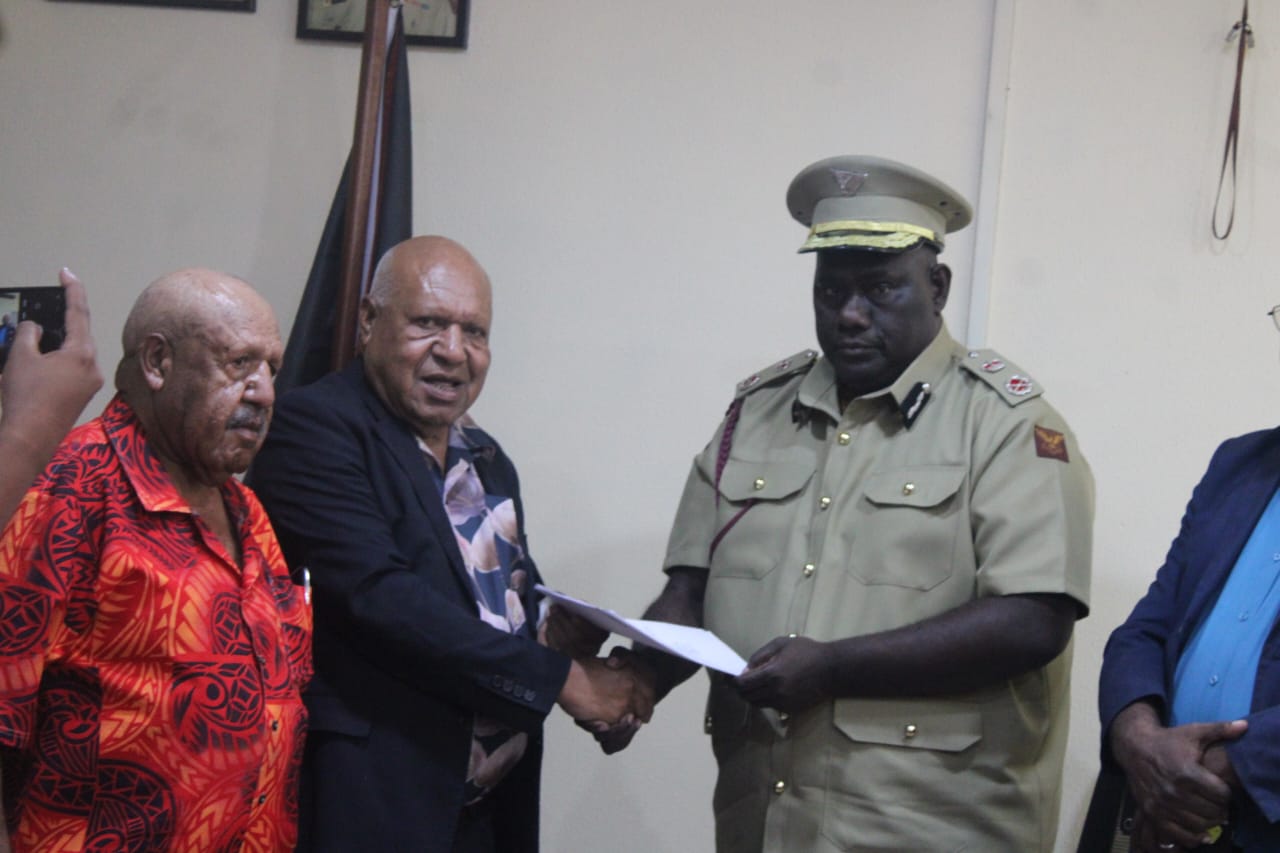
In a move aimed at resolving the administrative stalemate, the New Ireland Provincial Government hosted an official handover-takeover ceremony today, Monday August 24, 2026.
The event marked the transition from outgoing Provincial Administrator Richard Andia to incoming Acting Administrator Dennis Kosam.
As the dry season persists, the window for effective intervention narrows. The province now looks to the new administration to activate the PEOC, implement the approved water resupply plans, and restore stability to the communities hardest hit by the drought.