

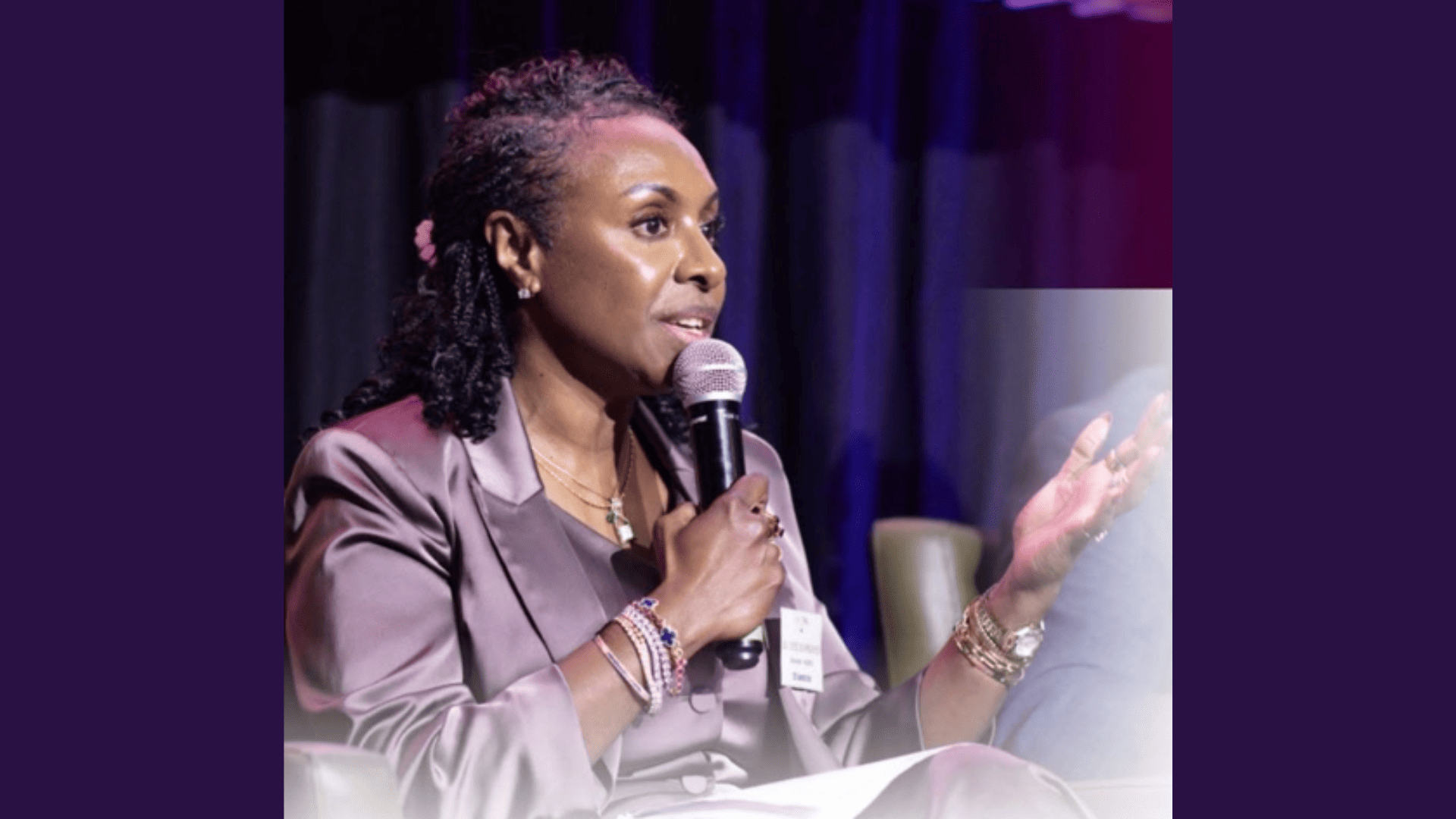
National GBV Secretariat Executive Director, Diane Kambanei says stronger provincial response systems, better alignment of funding and sustained support for frontline organisations are essential to improving services for Gender Based Violence survivors.
The National Gender-Based Violence (GBV) Secretariat is focusing on coordination as it works to support Papua New Guinea’s newly launched National GBV Strategy, Executive Director Diane Kambanei said.
"The Secretariat’s role is not to carry out every activity itself, but to bring together government agencies, provincial administrations, civil society organisations and development partners working on GBV prevention and response. It also tracks activities under the strategy and supports organisations where gaps are identified," Kambanei said.
Prime Minister James Marape launched the strategy on 11 March, according to Kambanei. She said the Secretariat’s broad mandate reflects the number of actors involved, and the need to ensure their work contributes to shared national priorities.
The Secretariat works with Papua New Guinea’s 22 provincial governments to strengthen local coordination and referral pathways. Each province is expected to appoint a GBV focal point and establish a GBV Action Committee.
"Previously known as Family and Sexual Violence Action Committees, the committees bring together key service providers, including police, health services and safe houses. Their role is to coordinate assistance and help survivors access services," Kambanei said.
“Survivors can’t get the assistance they need from the national level,” she said, explaining that services must be organised close to communities and districts.
Kambanei pointed to Oro Province as an example of what coordinated action can be achieved. She said the province’s GBV rate had fallen from about 70 per cent in the 2016 per Demographic and Health Survey to 17 per cent. She attributed the reported reduction partly to a strong provincial coordination mechanism and a timely response from the GBV Action Committee. That figure, and the measure it refers to, should be confirmed with the relevant survey data before publication.
"In Oro, local organisations and community partners also share resources. A church provided land for a safe house, while an NGO helped support services. Partners have also contributed office space and fuel for the Family and Sexual Violence Unit. The shared-responsibility approach helps local services operate despite limited resources," she said.
The Secretariat is also supporting frontline civil society organisations through grants. Kambanei said K2.5 million was awarded to 23 organisations for 2026–27, with a further K1.5 million provided to other organisations. The grants support prevention and response work aligned with the national strategy.
She said organisations could apply through guidelines and forms available on the Secretariat’s website. Kambanei also outlined plans to provide K10,000 to each of 51 recorded safe houses during the 20 Days of Human Rights Activism this year.
The number of facilities may rise to about 54 as others are identified. At K10,000 each, support for 54 safe houses would total K540,000; the allocation should be confirmed, as Kambanei described it as more than K600,000.
The Secretariat is assessing safe houses to determine their needs. Funding could help provide essentials such as water tanks, fuel, and food, she said. The support comes as some facilities face financial pressure and have reduced the number of people they can accommodate.
Kambanei identified coordination as the sector’s main challenge.
"Significant funding is directed to GBV work by development partners and UN agencies, but it can be difficult to align that support with the strategy’s priorities without a coordinated approach," she said.
The Secretariat is addressing this through a joint planning with provincial representatives and relevant government departments. Kambanei said the Secretariat develops its own work plan after hearing from provinces, so national priorities reflect local needs and ongoing activities.
"Capacity constraints remain a concern. In some provinces, one GBV focal point is responsible for GBV coordination as well as youth welfare and other duties. That can make it difficult to support services across multiple districts," she said.
Kambanei said provinces need functioning action committees and, where required, dedicated staff for areas such as child protection and sorcery accusation-related violence. Building these systems takes time, but stronger local coordination would help ensure cases are addressed closer to where they occur.
"The Secretariat’s priority is to work with provinces to identify gaps, build capacity and bring the appropriate national agencies into the planning process," Kambanei said.
Sustained coordination and support for frontline services will be critical to making the national strategy a practical source of help for survivors.