

Financial abuse in Papua New Guinea has moved into sharper focus following the launch of the Empower Finance Kibung by the Bank of Papua New Guinea (BPNG), an initiative aimed at strengthening how financial institutions prevent, identify, and respond to the misuse of financial products.
The initiative was formally launched on May 14, 2026, and continues this week through structured engagements between BPNG and financial institutions nationwide.
These sessions include a national survey on financial abuse and the development of a voluntary code of practice covering financial capability, literacy, safety, counselling, and consumer protection.
The Kibung, derived from the Tok Pisin term for a ‘formal gathering’, brings together banks and financial institutions to build a shared understanding of financial abuse and strengthen coordinated responses across the financial sector.
BPNG says the Empower Finance Kibung is designed as a community of practice that reframes financial abuse not only as a social issue, but also as a systemic risk within the financial sector.
The program focuses on how financial products and services can be misused within personal and family relationships, and how institutions can respond more effectively through prevention, awareness, and internal policy development.
It includes workshops, peer learning sessions, and institutional action plans, alongside a voluntary financial abuse code that participating organizations are encouraged to adopt and implement.
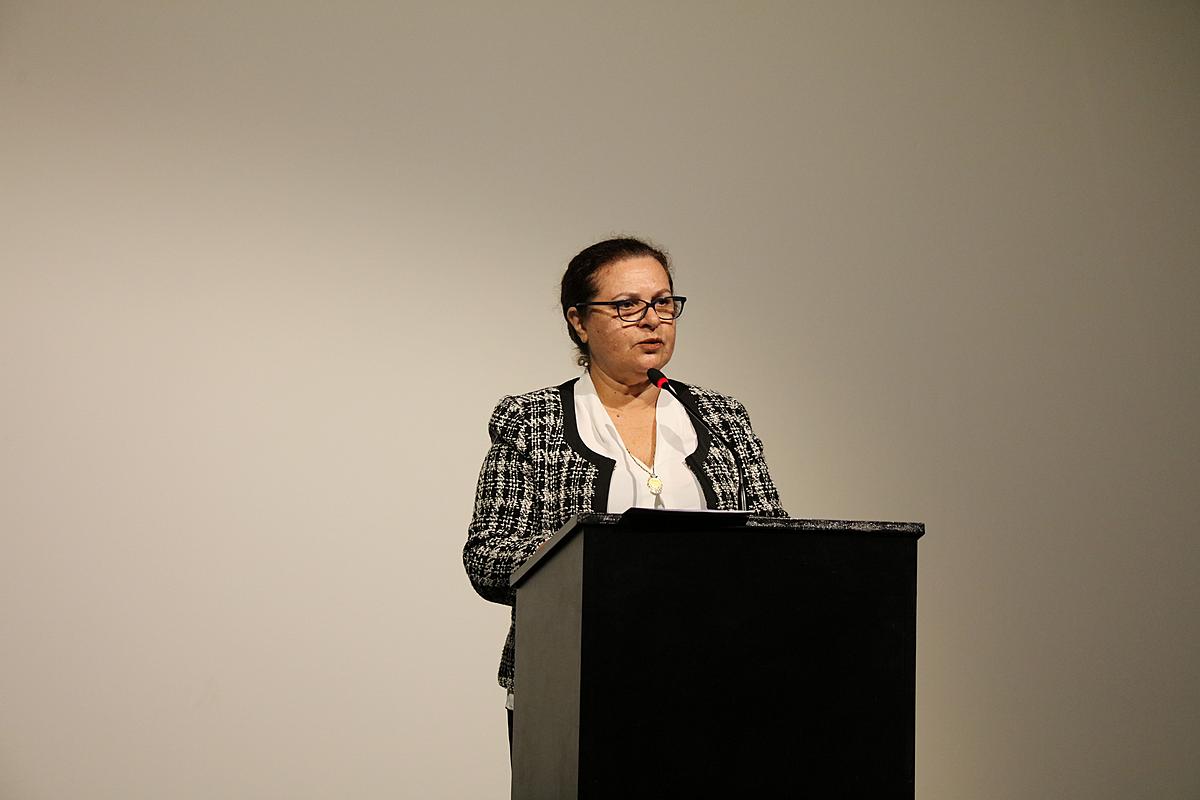
Speaking at the launching, BPNG Governor Elizabeth Genia, said financial abuse has wide ranging impacts across individuals, families and communities.
“It affects people in very real ways. It limits independence and creates significant harm within families and communities,” Genia said.
She said financial abuse is not limited by gender, noting that while women are often more affected, men, organizations and family units can also be impacted.
“This is not only a woman’s issue. It is something that can affect anyone, organizations as well as individuals and family groups.”
She further stated that financial abuse falls directly within the regulator’s mandate in relation to consumer protection, financial safety, and inclusion.
HOW THE KIBUNG WORKS:
The Empower Finance Kibung is structured through workshops that build a shared understanding of financial abuse, distinguishing it from fraud and scams while positioning it as a systemic financial issue requiring coordinated institutional response.
The sessions focus on:
Building a shared definition of financial abuse and how it differs from fraud and scams
Clarifying the role of financial institutions in prevention and response
Peer learning through regional and practical experience
Development of institutional action plans over time
A voluntary financial abuse code for financial institutions
Strengthening cooperation across the financial sector
The first workshop also encouraged institutions to examine how financial systems, products and technologies can be misused within personal relationships, and what that means for customer protection and accountability.
NEXT STEPS:
The Empower Finance Kibung marks the beginning of a broader series of national engagements led by BPNG to strengthen coordination on financial abuse prevention and consumer protection.
Future sessions will refine the voluntary code, deepen institutional commitments, and support the rollout of practical tools for financial education, counselling, and risk identification across the banking system.
As PNG’s financial sector continues to modernize, the initiative signals a shift toward stronger consumer protection frameworks, placing financial safety and dignity at the centre of banking reform.