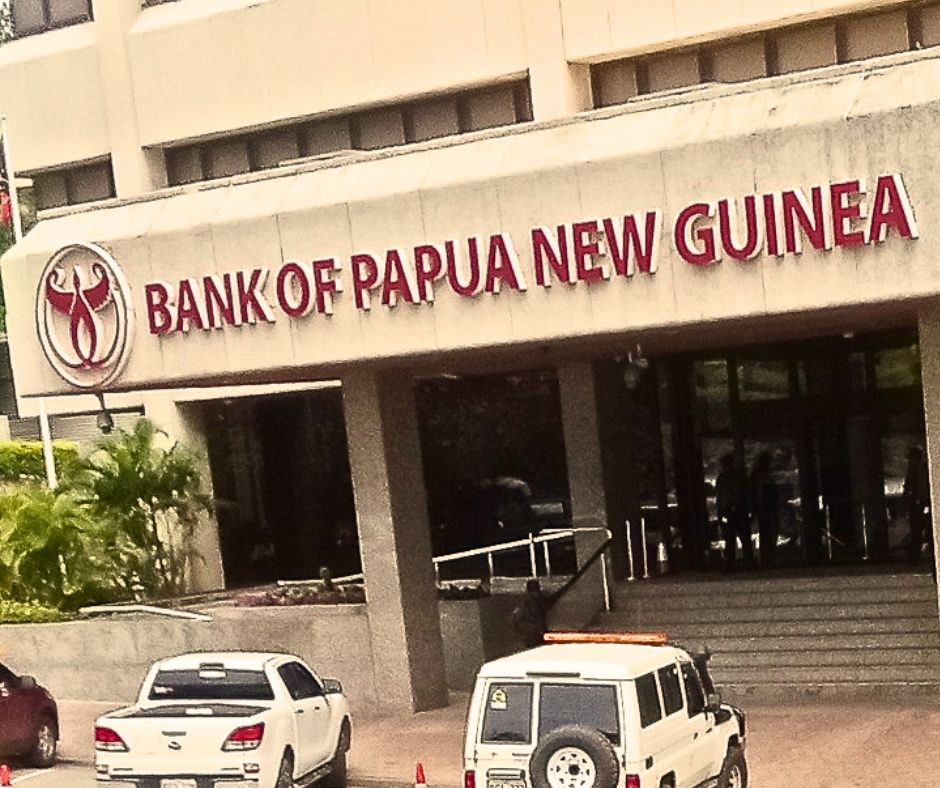
The Board of the Bank of Papua New Guinea (BPNG) has endorsed an Emergency Liquidity Assistance (ELA) Policy Framework to strengthen its capacity to respond in the event of extreme short-term liquidity pressures in the banking system.
The Bank stressed that this is part of normal contingency planning undertaken by central banks and is not related to any concerns about the current health of the financial system.
It noted that, at present, its assessment is that the banking system remains well-capitalized, with high levels of liquid assets held across all institutions.
The ELA Policy Framework formalizes the Bank’s approach to providing temporary liquidity support to eligible commercial banks facing severe but short-term funding constraints, in line with its role under the Central Banking Act as lender of last resort.
The framework is designed to support financial system stability while ensuring that assistance is provided in a prudent, controlled, and transparent manner.
It will only apply to institutions that are solvent and viable, with emphasis placed on the stability of the financial system as a whole rather than the survival of any individual institution.
It also outlines the eligibility criteria, governance arrangements, and operational conditions under which ELA may be provided.
Access to such assistance will be subject to strict requirements, including solvency checks, acceptable collateral, and credible recovery measures from the recipient institution.
The ELA Policy Framework complements the Bank’s broader financial stability and prudential oversight functions and strengthens its ability to respond to emerging liquidity pressures within the financial system.
The Bank said it will continue engaging with stakeholders and develop supporting guidelines to ensure proper implementation and consistent understanding of the framework.
It reaffirmed its commitment to maintaining a stable and resilient financial system that supports sustainable economic development in Papua New Guinea.