NEWS SPORTS BUSINESS ENTERTAINMENT
Posts by Paula DAVID | PNG Haus Bung
POSTS BY AUTHOR
Paula DAVID

Paula DAVID

DELAYED TREATMENT PUTTING CHILDREN AT RISK DELAYED TREATMENT PUTTING CHILDREN AT RISK
Delays in diagnosing and treating congenital heart conditions are putting some children in East Sepik Province at risk of developing complications that could prevent them from receiving life-saving surgery, according to paediatrician Dr Cecilia Pakule.Dr Pakule said one of the biggest concerns was pulmonary hypertension, which can develop in children with certain untreated heart conditions.She said some children who are initially suitable for surgery could become inoperable if treatment is delayed and pulmonary hypertension develops.“In some cases, they're operable, but because they have added that pulmonary hypertension, they can't operate,” Dr Pakule said.The warning follows a recent two-day cardiac screening program in East Sepik, which assessed about 11 children from inpatient and outpatient services.Dr Pakule said echocardiography had allowed doctors to identify multiple heart problems in some children.Previously, limited access to echocardiography meant doctors often had to rely on clinical signs such as heart murmurs when making an initial diagnosis.The new screening technology, she said, was helping doctors identify hidden heart defects and provide families with a clearer understanding of their children's conditions.Dr Pakule said another challenge was access to medicines.East Sepik hospitals frequently experience shortages of medicines needed by children with heart conditions, forcing some families to depend on relatives and friends in Lae and Port Moresby to purchase and send medicines back to the province.She said interruptions to medication could have serious consequences for children.“When they don't give the medicine to their children, they develop pulmonary hypertension and then they are unoperable again,” she said.Dr Pakule said stronger provincial supply systems, regular screening and earlier referrals were needed to prevent children from reaching a stage where treatment options become limited.She also called for more paediatric cardiac specialists and more frequent screening visits to provincial hospitals.
Published on August 14, 2026
DOCTERS CALL FOR CARDIAC SPECIALIST AT REGIONAL HOSPITALS DOCTERS CALL FOR CARDIAC SPECIALIST AT REGIONAL HOSPITALS
Papua New Guinea needs more paediatric cardiac specialists based in regional hospitals to improve access to heart screening and treatment for children, according to East Sepik paediatrician Dr Cecilia Pakule.Dr Pakule said the country's geography and limited number of specialists made it difficult to provide regular cardiac screening to children living outside major centres.She said more medical professionals should receive basic training in paediatric cardiac screening, while specialist paediatric cardiologists should be positioned at the country's four regional hospitals.“We can have a cardiologist in each, and then we can just refer there,” she said.The call follows a recent cardiac screening program in East Sepik, where about 11 inpatient and outpatient children were assessed over two days.Dr Pakule said the screening demonstrated the need for stronger specialist services, with some children found to have multiple heart conditions.She said Papua New Guinea's 22 provinces made it unrealistic for a small number of specialists to provide adequate coverage for all children requiring cardiac assessment.Many children living in remote areas may never reach provincial hospitals, she said.“There's patients still in the bushes somewhere, so we need to actively go and look out there for these kinds of patients,” she said.Dr Pakule also called for provincial cardiac screening programs to be conducted more regularly.She said East Sepik's previous screening visit had been about two years earlier, meaning some children may have missed opportunities for early diagnosis and treatment.Regular screening, she said, could help doctors identify children who require surgery before complications such as pulmonary hypertension develop.Dr Pakule also highlighted the need for reliable access to medicines for children with heart conditions.
Published on August 14, 2026
HIV/AIDS & TB AWARENESS PREPARATIONS UNDERWAY IN MADANG HIV/AIDS & TB AWARENESS PREPARATIONS UNDERWAY IN MADANG
Madang health authorities are preparing a public awareness campaign on HIV and tuberculosis as part of preparations for the 2027 National General Elections.Madang Provincial Health Authority CEO Dr Martin Damen said the province would increase awareness activities to encourage people to take precautions during the election period.He said health teams were preparing locally produced posters and public messages and planned to use the media to reach a wider audience.“We would like to do a lot of media advocacy during this time, for people to take precaution,” Dr Damen said.The health authority also plans to ensure condom supplies are available as part of its HIV prevention efforts.Health officials are concerned about the potential increase in health risks during election periods, when large numbers of people travel, gather and interact across communities.Dr Damen said public awareness would therefore be important in helping people protect themselves and reduce the spread of infectious diseases.The awareness campaign is being planned alongside the province's response to current health challenges, including medical supply shortages and possible El Niño-related illnesses.He urged the public to take responsibility for their health and seek advice from health workers when necessary.The provincial health authority is expected to continue its awareness and surveillance activities as preparations for the national elections progress.
Published on August 14, 2026
MADANG PHA WARNS OF GROWING PATIENT CARE RISKS MADANG PHA WARNS OF GROWING PATIENT CARE RISKS
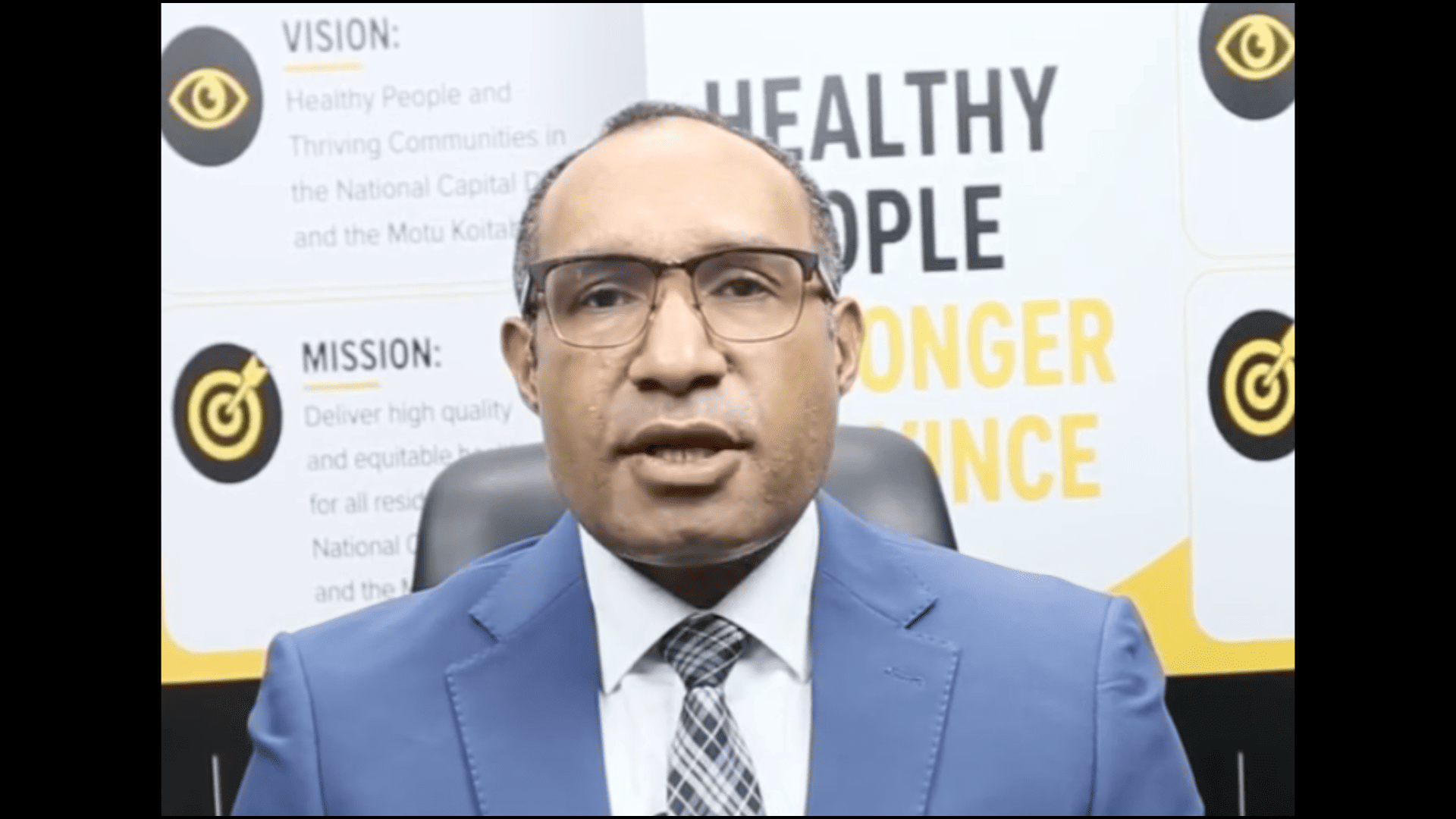
A shortage of basic medicines and medical supplies at Madang Provincial Hospital is placing increasing pressure on health workers and raising concerns about patient care.Madang Provincial Health Authority CEO Dr. Martin Damen said medical staff were struggling to carry out their normal duties because essential supplies were not arriving in the quantities ordered.The hospital normally orders more than 1,000 different medical items, but Dr Damen said only 10% of the requested items were being supplied.Among the shortages are basic medicines such as painkillers and antibiotics, along with consumables including gauze and syringes.The shortage also extends to medicines needed for specialist services, including the operating theatre, labour ward and intensive care unit.“This has placed a high risk on patient care,” Dr Damen said.The health authority has therefore decided to reserve its remaining stocks for emergencies and patients admitted to the hospital.Routine walk-in patients who are stable will be provided with prescriptions to purchase medicines outside the hospital.Dr Damen said the situation was particularly concerning because the province is also preparing for potential increases in illness associated with El Niño conditions.He said health authorities were expecting possible increases in malaria, diarrhoea, respiratory illnesses and skin diseases.However, no outbreak had been recorded at the time of the interview.Health teams are conducting surveillance across facilities to identify any outbreaks early.Dr Damen urged the public to take preventive measures, particularly by ensuring drinking water is properly treated and safely stored.He said people should also avoid activities that could put their lives at risk while medical services were operating under restrictions.The provincial health authority will reassess the service reduction after about one month.
Published on August 13, 2026
MADANG HOSPITAL SCALING DOWN SERVICE; LOW MEDICAL SUPPLIES MADANG HOSPITAL SCALING DOWN SERVICE; LOW MEDICAL SUPPLIES
Madang's Provincial Hospital has scaled down its services after receiving less than 10% of the medical supplies it ordered over the past seven months.Madang Provincial Health Authority Chief Executive Officer (CEO) Dr. Martin Damen said the shortage had made it increasingly difficult for health workers to provide normal services to patients.He said the hospital places orders for more than 1,000 medical items, but deliveries from January to July have been far below the quantities required.“Of those 1,000 items, we get supplied only 10% of those items required for normal service to operate,” Dr. Damen said.The shortage has affected essential medicines and medical consumables, including painkillers, antibiotics, gauze and syringes.Specialist medicines used in the operating theatre, labour ward and intensive care unit are also running low.Dr. Damen said the shortage has created a serious risk of patient care and forced the health authority to conserve its remaining supplies.As a result, the hospital will now prioritise emergency cases only.Stable patients who can walk into the hospital will be assessed and, where appropriate, given prescriptions to purchase medicines from private pharmacies.Dr Damen said the provincial health authority was not responsible for the shortage, pointing instead to problems within the national medical supply chain.
Published on August 13, 2026
WATER SHORTAGE FORCES RURAL SCHOOLS TO CLOSE WATER SHORTAGE FORCES RURAL SCHOOLS TO CLOSE
Rural schools in the North Fly District of Western province are among the services being severely affected by a prolonged dry spell that has left communities struggling to access water.North Fly District Health Manager Rody Ukin says the shortage has affected education, health services and other essential government operations across the district.He said some rural schools had been forced to close because there was not enough water available for students and staff to use.“School has been severely affected with no water,” Ukin said.The impact extends beyond schools, with health workers also facing difficulties conducting outreach and extension services because of a shortage of fuel and transportation.Ukin said there was not enough diesel and petrol available to support regular travel to remote communities.The shortage has affected outboard motors used to travel along waterways, further limiting access to isolated communities.“This sort of thing has affected the slow delivery of service now,” he said.The water crisis has also placed additional pressure on families, with some residents leaving their homes to search for water in streams and wells.Ukin said communities were struggling to maintain basic hygiene because water sources had become increasingly distant.Health authorities are monitoring the situation closely, particularly for possible increases in waterborne and other illnesses.The district has about 14 major health facilities, including government and church-run facilities and aid posts, which have been instructed to report any unusual increase in disease cases.Meanwhile, provincial and district authorities are working on a coordinated response to the dry spell.Reports are being compiled from education, health, agriculture and other sectors to determine the extent of the impact and identify urgent needs.Ukin said the situation in North Fly was already serious and required urgent intervention, particularly to ensure communities can access safe water and essential services.
Published on August 13, 2026
EAST SEPIK CHILDREN MISSING OUT ON VITAL HEART SCREENING EAST SEPIK CHILDREN MISSING OUT ON VITAL HEART SCREENING
Children with undiagnosed heart conditions in East Sepik Province could be missing critical opportunities for treatment because specialist cardiac screening services are not reaching enough communities.Senior Medical Officer in Paediatrics Dr Cecilia Pakule made the concern known following a two-day cardiac screening program at the provincial hospital, where about 11 inpatient and outpatient cases were assessed.Dr Pakule said the number of children screened represented only a small portion of those who may be living with undiagnosed heart conditions across the province.“There's patients still in the bushes somewhere, so we need to actively go and look out there for these kinds of patients,” she said.East Sepik has a population of about 500,000 people, and Dr Pakule said reaching children in remote communities remained one of the biggest challenges facing the health system.She said screening programs needed to be conducted more frequently and extended to districts to ensure children were diagnosed before their conditions became severe.The doctor said the availability of echocardiography during the recent screening had also revealed heart problems that may previously have gone undetected.Some children were found to have two or three heart problems.Dr Pakule said early diagnosis was particularly important because untreated congenital heart conditions could lead to complications such as pulmonary hypertension.In some cases, children who could have undergone corrective surgery may later become unsuitable for surgery because their condition has deteriorated.She is calling for more health workers to receive basic cardiac screening training and for more paediatric cardiologists to be trained and deployed to regional hospitals.Dr. Pakule said having specialists at the four regional hospitals could make cardiac services more accessible to children across the country.She also suggested that provincial screening visits should be conducted at least annually, or even twice a year.The recent screening program was supported by the East Sepik Provincial Health Authority and sponsors including Air Nuigini, BSP and the Brianbell Foundation.
Published on August 13, 2026
HEALTH TEAMS IN NORTH FLY MONITOR DISEASE RISKS AMID WATER SHORTAGE HEALTH TEAMS IN NORTH FLY MONITOR DISEASE RISKS AMID WATER SHORTAGE
Health authorities in North Fly District are closely monitoring communities for potential disease outbreaks as a prolonged dry spell leaves residents struggling to access clean water.North Fly District Health Manager Rody Ukin says about 14 major health facilities across the district have been instructed to closely monitor illness patterns and report any increase in disease cases.Ukin said the lack of water was creating concerns about hygiene and the possible spread of waterborne diseases.“People may be drinking bad water because we haven't received any rainwater so far,” he said.The shortage has also made washing and maintaining personal hygiene more difficult, particularly in communities where people have to travel long distances to find water.Despite the concerns, Ukin said health authorities had not yet recorded a significant increase in disease cases.Malaria remains common in the district, while health workers are also monitoring respiratory conditions such as asthma and coughs.“We have not recorded high in any of the diseases. Otherwise, we are monitoring at this stage,” he said.Health facilities are conducting regular surveillance, with information being collected from government and church-run facilities as well as aid posts.Ukin said health workers had been instructed to immediately report any unusual increase in sickness.The district currently has sufficient stocks of basic medicines and antibiotics, although some facilities have already started experiencing shortages.The main health facility in Kiunga has enough supplies to last for less than two months, while additional medical supplies remain in Port Moresby awaiting transportation to North Fly and Middle Fly.Ukin said the provincial government had provided support for medicines and funding to help maintain health services.However, the continuing shortage of water and fuel is creating additional challenges for health workers conducting outreach services in remote communities.Authorities say continued monitoring will be critical as the dry spell persists and communities increasingly rely on alternative water sources.
Published on August 13, 2026
NORTH FLY COMMUNITIES DESPERATE FOR WATER AS DRY SPELL DEEPENS NORTH FLY COMMUNITIES DESPERATE FOR WATER AS DRY SPELL DEEPENS
Communities across North Fly District, Western Province, are facing a growing water crisis, with wells drying up, the Fly River at critically low levels and residents being forced to travel into remote areas in search of water.North Fly District Health Manager Rody Ukin said the district has gone almost three months without significant rainfall, with the situation becoming particularly severe over the past four weeks.“We are living by the grace of God. People are looking for water here and there, and all the wells have dried up," Ukin said, adding that the mighty Fly River is also drying up.Ukin said many communities depend on rainfall to replenish water sources, including water collected from the mountains.However, the prolonged dry spell has left household water tanks empty and forced some residents to leave their homes to search for water in streams and remaining water wells.He said the shortage was also affecting Kiunga town, where the town water supply was operating under extremely low pressure.Authorities are working to address the shortage, including efforts to remove illegal connections from the town water system and explore additional water sources.Ukin said water bowsers were also being considered to transport water to communities experiencing the greatest shortages.He said deeper water bores could provide a longer-term solution, with some organizations already beginning drilling activities in parts of the district.Ukin warned that shallow wells may not provide a reliable source of water as the dry conditions continue.“Water has become a real problem,” he said.The district is now working with the provincial disaster team to develop a coordinated response to the continuing dry spell.Ukin said authorities were also preparing reports from health, education, agriculture and other sectors to assess the full impact of the drought.For communities across North Fly, the immediate priority remains access to safe drinking water as authorities wait for more substantial rainfall.
Published on August 12, 2026
LEADERS CALL FOR STRONGER ACTION AS HIV PREVALENCE REMAINS A CONCERN LEADERS CALL FOR STRONGER ACTION AS HIV PREVALENCE REMAINS A CONCERN
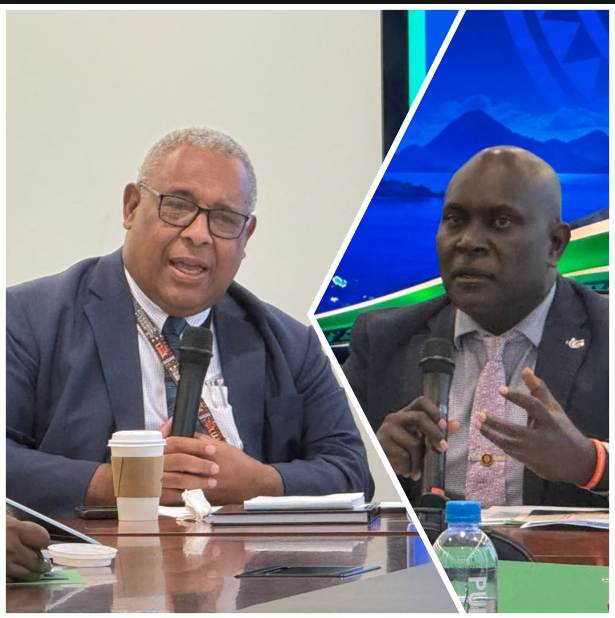
Cardinal Sir John Ribat and National AIDS Council Board Chairman Wep Kanawi have called for stronger leadership, increased investment and greater partnerships to address the HIV/AIDS challenge in the country.The call comes as Papua New Guinea's HIV prevalence is estimated at 1.5%, with approximately 30 new HIV infections reported each day, including about seven babies born with HIV.The figures highlight the continuing need for stronger prevention programs, increased access to testing and treatment, and greater community awareness to help reduce new infections.Cardinal Sir John Ribat said the statistics should serve as a warning and a call for greater action from all sectors of society.“The statistics tell a story,” Cardinal Ribat said, emphasising the need for collective efforts to reverse the trend.He said addressing HIV could not be left to the Government alone, stressing the need for support from the private sector, businesses, development partners, churches and other organisations.Cardinal Ribat said inadequate staffing and funding had affected the ability of organisations involved in HIV prevention to maintain effective programmes.He said sustained investment in prevention was essential, particularly as HIV infections had continued to increase over the years.The Cardinal also highlighted the importance of leadership and compassion in responding to HIV/AIDS, saying leaders needed to be more visible and personally involved in the national response.He pointed to other countries where political leaders had taken a more prominent role in HIV programmes, using their positions to mobilise government agencies, the justice system and communities to support people living with HIV.Cardinal Ribat said Papua New Guinea also needed leaders who were prepared to publicly champion HIV prevention and support efforts to reduce stigma and protect vulnerable communities.He said churches were well placed to play an important role in the national HIV response because of their extensive presence throughout Papua New Guinea (PNG).With churches reaching communities across the country, Cardinal Ribat said church leaders could help communicate HIV prevention messages to a large proportion of the population.He also encouraged organisations involved in the HIV response to strengthen partnerships and explore new ways of mobilising resources, including possible crowdfunding initiatives.National AIDS Council Board Chairman, Wep Kanawi said the changing global funding environment made it necessary for Papua New Guinea to find practical and sustainable ways to finance HIV prevention and treatment programmes.He noted that international funding for HIV programmes had declined as resources were increasingly directed towards other global priorities.“HIV/AIDS has been declared globally by the United Nations as everybody's business,” Kanawi said, stressing that the response required a whole-of-society approach.He said countries themselves must take greater ownership of their HIV responses rather than relying heavily on international funding.Kanawi also referred to a document developed following discussions with Cardinal Ribat, outlining key concerns surrounding the country's HIV response and proposed areas for follow-up action.He said the document had been presented to the Cardinal so it could be circulated among relevant leaders and stakeholders.The recommendations are also expected to be considered by the National AIDS Council, including through council submissions and programmes.Kanawi said the message from Cardinal Ribat was clear: the National AIDS Council and its partners needed to take stronger action and address the HIV situation with urgency.“Our people need you,” he said, describing the call as an important leadership challenge for those responsible for the national HIV response.Both leaders stressed the importance of collaboration between government, churches, businesses, development partners, communities and other stakeholders in strengthening HIV prevention and response programmes.They said Papua New Guinea must adopt a more practical and coordinated approach to ensure HIV prevention, testing and treatment services reach communities, particularly young people, pregnant women and other vulnerable groups.With an estimated 30 new infections occurring each day, including seven babies born with HIV, the leaders said renewed action was needed to strengthen prevention efforts and protect future generations.
Published on August 11, 2026
A CALL FOR UNITY & SUPPORT AHEAD OF CENTRAL MUSIC FESTIVAL A CALL FOR UNITY & SUPPORT AHEAD OF CENTRAL MUSIC FESTIVAL
The Central Provincial Administration has called on government agencies, businesses, development partners and the public to support the 2026 Central Music, Arts and Cultural Festival, describing the event as a key driver of cultural preservation, tourism and economic development.Speaking at the official launch of the festival, Acting Provincial Administrator Magini Raga said the festival had grown significantly since its inaugural staging, becoming more than just a music event."The festival has evolved into something much greater than music. It is now a platform that celebrates our music, arts, culture, tourism, local businesses and the economic potential of Central Province."He said the success of the inaugural festival demonstrated what could be achieved when government, communities, artists, businesses and development partners worked together toward a common goal.According to Mr. Raga, the Central Provincial Administration is working closely with the Governor's Office, district administrations, community leaders, churches, security agencies, health authorities, sponsors and volunteers to ensure the 2026 festival is safe, well organised and delivers lasting benefits for local communities.He said festivals play an important role beyond entertainment by creating opportunities for young people, promoting local artists, preserving cultural heritage, encouraging tourism and providing valuable markets for small businesses and local producers."As Acting Provincial Administrator, I want to assure everyone that preparations are well underway," he said."Our administration is committed to working with all relevant stakeholders to ensure the festival is safe, well organised and worthy of the people of Central Province."Mr. Raga also acknowledged the role of the media in promoting the event and providing accurate information to communities throughout the province and the country.He thanked existing sponsors and encouraged more businesses and development partners to support the festival despite challenging economic conditions."Your contributions help create opportunities for our communities and ensure that this festival continues to grow from strength to strength," he said.Mr. Raga described the festival as more than an annual celebration, saying it represents a long-term vision for the province."Today is not simply about launching another event. It is about launching a continued vision—one that celebrates our identity, supports our economy, showcases our talent and strengthens pride in Central Province."
Published on August 6, 2026
RUMOURS OF ATTACK DISTRUPT CLASSES AT TOKARARA SECONDARY SCHOOL RUMOURS OF ATTACK DISTRUPT CLASSES AT TOKARARA SECONDARY SCHOOL
Students at the Tokarara Secondary School in Port Moresby were sent home early today after rumors of a possible threat sparked panic among students, parents and guardians.The unconfirmed reports claimed that outsiders were planning to harm students, prompting school authorities to send students home as a precautionary measure.The issue is believed to be linked to an incident last Friday that occurred during the Under-17 schools' rugby league grand final at the Sir Hubert Murray Stadium, where Tokarara Secondary School was defeated by Kilakila Secondary School. However, authorities have not confirmed whether the two matters are connected.As news of the rumoured threat spread, concerned parents and guardians left work to collect their children. Others who were unable to secure transport were seen walking home in groups as a safety precaution.No injuries or security incidents involving students or staff were reported.PNG HAUSBUNG visited the school to get some answers from the principal, but the principal was in a meeting with the National Capital District Schools Inspector at the time and was not available to say anything.School officials are expected to provide further information once the meeting concludes.PNG HAUSBUNG will provide updates as more information becomes available.
Published on August 6, 2026