

POSTS BY AUTHOR

PNG Haus Bung
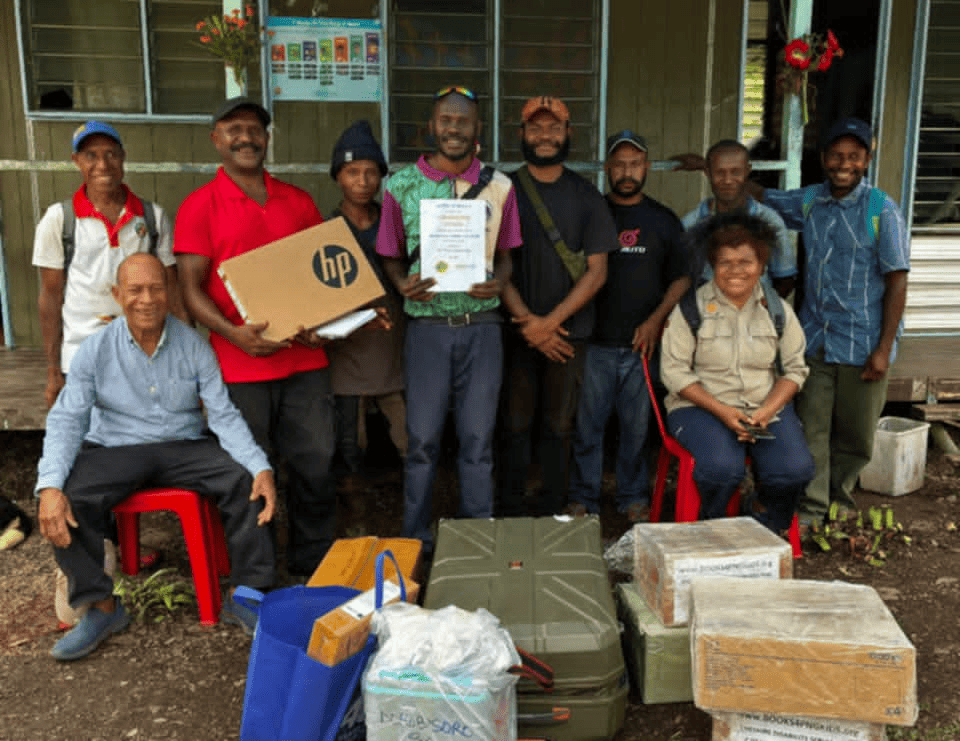 PREGNANT WOMEN RECEIVED ANTENATAL TREATMENT IN REMOTE RIGO
A total of 28 pregnant women in a remote village in Rigo, Central Province received treatment for the first time as a result of a trekking project that was launched in their area last November.For the first time pregnant women were fully checked and vaccinated, with 34 mothers receiving family planning and 207 children below seven receiving vaccinations in the remote Dorobisoro last month.Community Health Worker Elijah Lofulo confirmed that medical treatment has increased since the installation of Starlink, solar power supplying electricity for fridge to keep the medicines for outreach program in neighboring villages.Mr. Lofulo thanked Australian Trekker Peter Gamgee and his community in Queensland for the fundraising drive, PNG Tribal Foundation leading organization in Ghost Mountain Expedition, in partnership with Central Provincial Government, and the health authority for providing everything to the remote area which had helped saved a lot of lives within two months."Treating a total of 1,286 patients at the clinic since reviving the facility in May is such a blessing," said Mr. Lofulo.He said that three mothers gave birth, 15 patients were referred to Port Moresby for further treatment and sadly two other patients passed away.He thanked Central Provincial Health Authority and UNICEF for donating solar powered vaccine fridge in June that has helped them to conduct the vaccination program.
Published on July 17, 2026
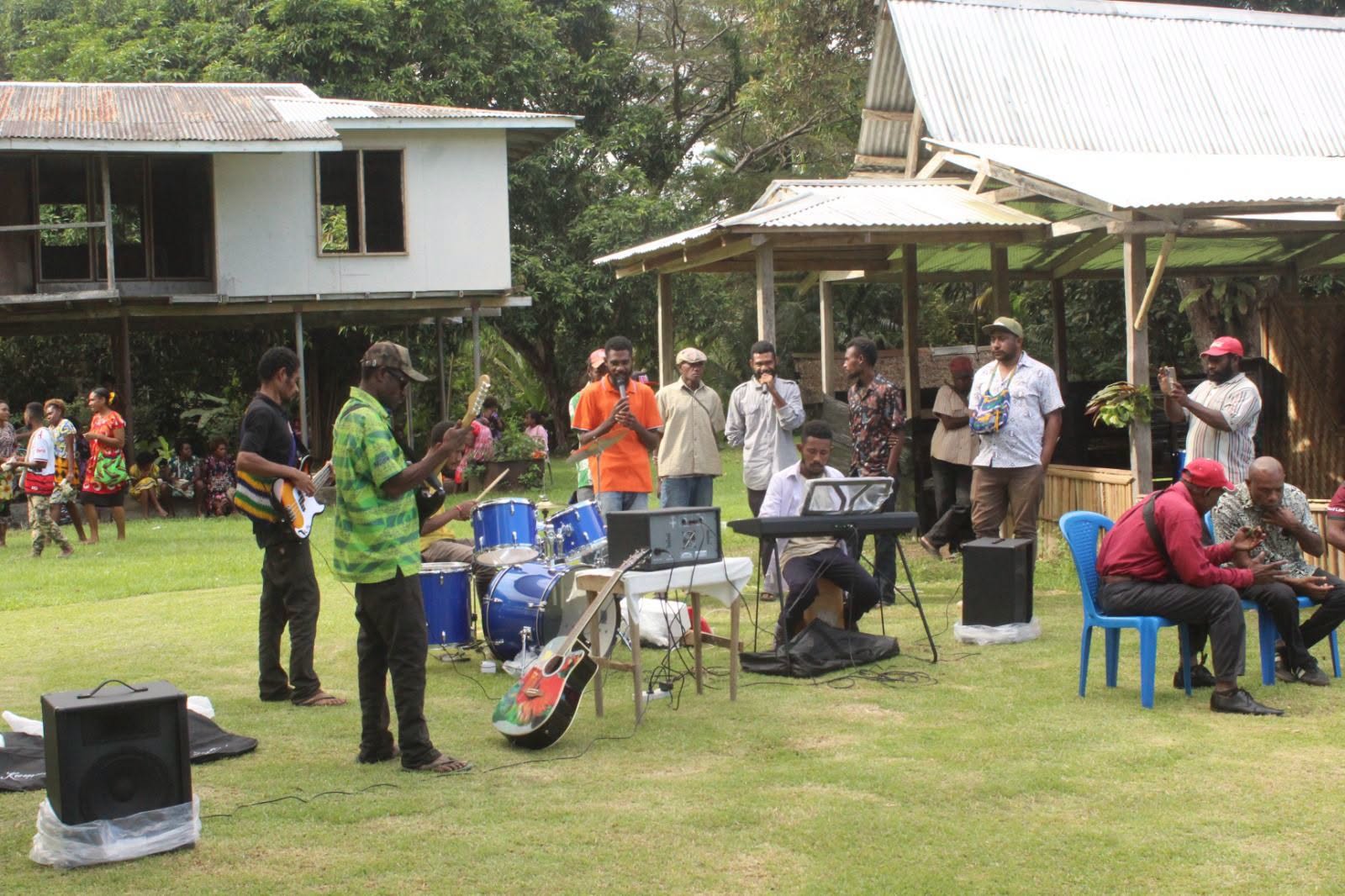 HUON GULF DDA STRENGTHENS CHURCH PARTNERSHIPS
The Huon Gulf District Development Authority (HGD-DDA) has continued its support for churches across the district through its Church Partnership Program, providing musical instruments to two congregations in the Morobe Province.The donations were made on Sunday, July 12, to support worship services, youth ministry, evangelism, and community outreach programs.The beneficiaries were the ELC-PNG Gabsongkeg Congregation in Ward 17, Wampar Rural LLG, and Body of Christ Church in West Taraka, Wampar Urban.Huon Gulf MP and Minister for Community Development, Youths and Religion, Jason Peter, said churches play an important role in strengthening families, guiding young people and promoting peaceful communities.Additionally, supporting churches is an investment in the moral and spiritual wellbeing of communities.The HGD-DDA said the Church Partnership Program will continue providing practical assistance to churches across Wampar, Salamaua and Morobe Local Level Governments."When the Church is empowered, the community is strengthened. Together, we build a peaceful, united, and God-fearing Huon Gulf."
Published on July 16, 2026
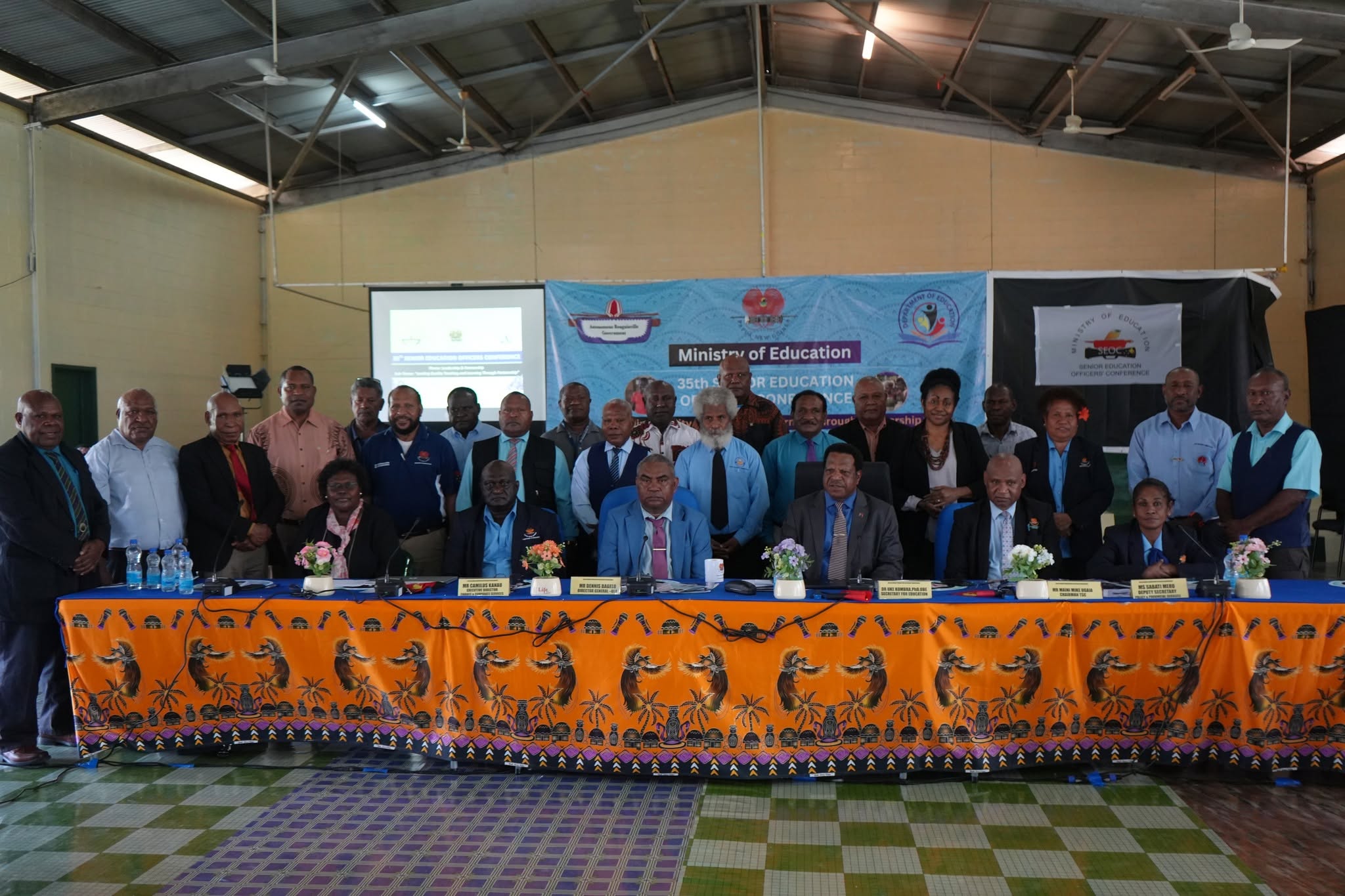 BOUGAINVILLE RECEIVES MAJOR EDUCATION POWERS AS 35TH SENIOR EDUCATION OFFICERS CONFERENCE OPENS
The 35th Senior Education Officers Conference is currently underway at the Autonomous Region of Bougainville at Hutjena Secondary School on Buka Island, a significant milestone for education in Bougainville.Under the theme “Leading Quality Teaching and Learning Through Partnership,” the conference brought together senior education officials, provincial advisors, development partners, church representatives, teachers and students from across Papua New Guinea.Major announcements were made during the conference by the National Department of Education.Secretary Dr. Uke Kombra, PhD, OBE, confirmed the transfer of two major education functions from the national government to the Bougainville Department of Education.The transferred responsibilities include school registration and compliance functions, as well as the distribution of tuition fee subsidies to schools – a responsibility previously centralized at the national level."We are probably the most decentralized department out of the whole government system.”Dr. Kombra added that the national government remains ready to devolve remaining powers—such as curriculum, inspections, and examinations—as soon as the region is prepared to receive themThe conference also outlined ongoing national education reforms aimed at improving access to education, reducing student dropout rates and strengthening teaching and learning outcomes.Regional Member for Bougainville and Minister for Works and Highways, Peter Tsiamalili Jnr, officially opened the conference, stressing the importance of education in developing character and integrity.“Qualifications certify your competence; education cultivates wisdom.”Meanwhile, ABG Vice President and Attorney General Ezekiel Massat challenged education leaders to review the content taught in classrooms to ensure it supports Bougainville’s political transition and future aspirations.He said education must focus beyond infrastructure and place greater attention on teacher welfare, retraining and local training opportunities.The conference continues throughout the week with education leaders discussing policies and strategies that will shape the future of education in Bougainville and Papua New Guinea.
Published on July 16, 2026
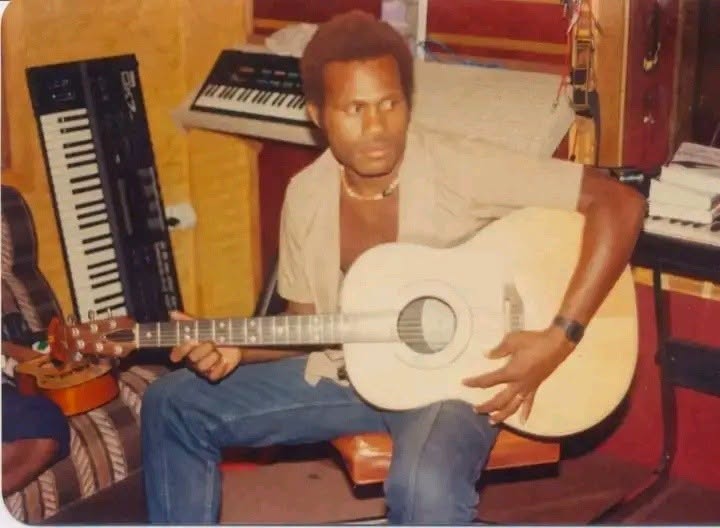 EAST NEW BRITAIN GOVERNOR RECOGNISES LEONARD KANIA’S 40-YEAR MUSIC JOURNEY
East New Britain Governor Michael Marum has congratulated musician Leonard Kania for reaching 40 years in the music industry.Governor Marum said Kania has proudly represented East New Britain and Papua New Guinea through his music and has become an ambassador for the province’s culture and identity.He acknowledged the Kania family’s contribution to music, noting Leonard’s brother Uralom Kania’s involvement in the industry and the continuation of the musical legacy through Leonard’s son.“This continuation of musical talent across generations is a testament to the Kania family’s invaluable contribution to the cultural and artistic landscape of East New Britain and Papua New Guinea.”Governor Marum described it as a proud moment for the people of East New Britain.“We thank Leonard for carrying the name of our province with pride and wish him many more years of success.”The Governor also called on musicians and artists across East New Britain to work together to establish the East New Britain Music Association.He said a registered association would provide a united voice for artists and allow the Provincial Government to provide structured support programs.Governor Marum said musicians play an important role in preserving traditions, promoting culture, and contributing to the creative economy.He urged the committee established in 2024 under Deputy Provincial Administrator Nick Larme to complete the association’s formation without delay.
Published on July 15, 2026
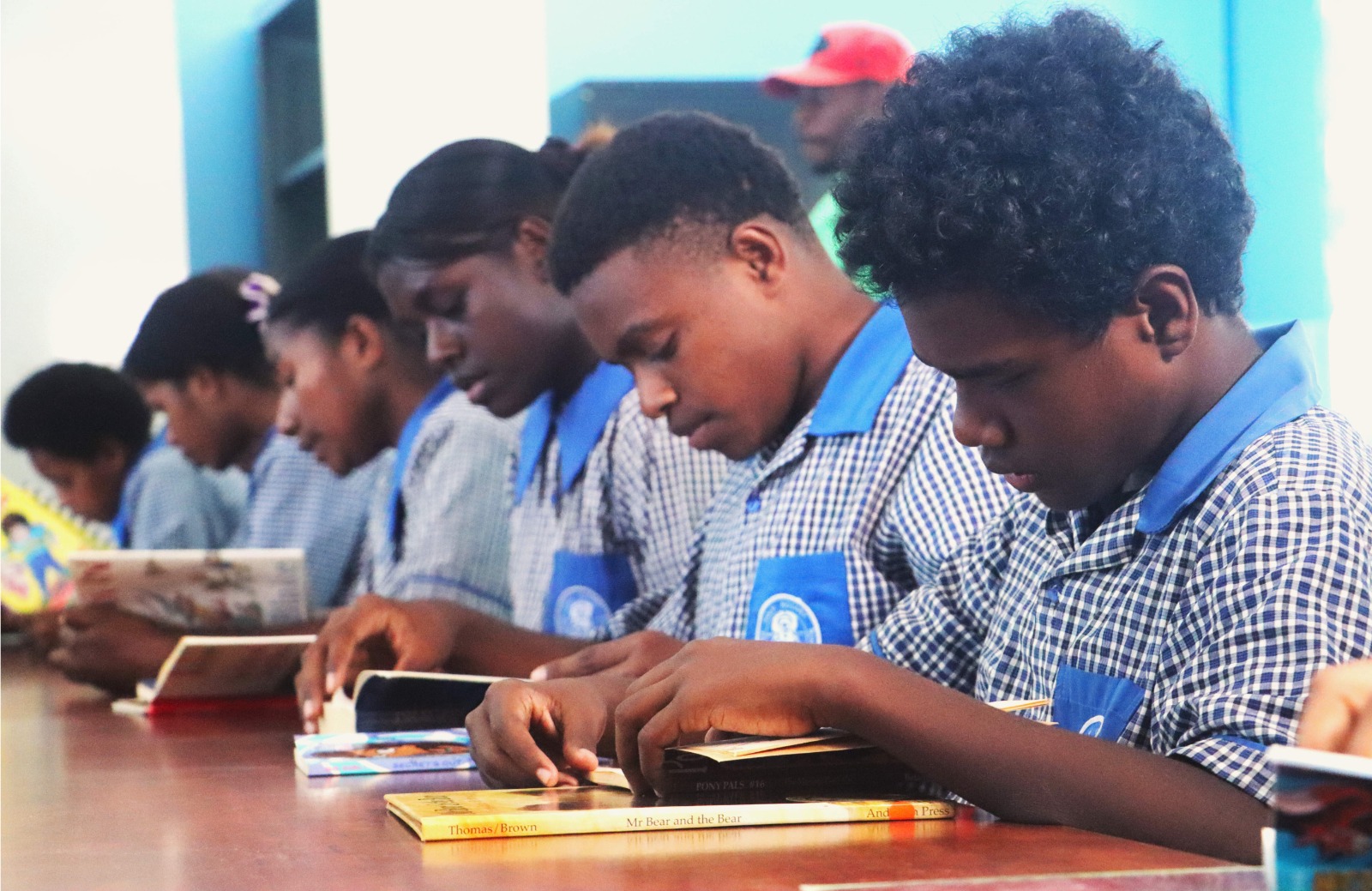 FINCORP AND BBP DONATE 1,000 BOOKS TO HOLY ROSARY PRIMARY SCHOOL
Students at Holy Rosary Primary School in Port Moresby have received 1,000 new library books through a partnership between Fincorp and Buk bilong Pikinini.The donation forms part of Fincorp’s K20,000 sponsorship towards Buk bilong Pikinini’s School Library Re-establishment Program, which is distributing 4,000 books to schools across Papua New Guinea.The books include storybooks, early readers, novels, dictionaries, atlases, reference materials and teacher resources to support literacy and classroom learning.Opening the formal remarks, a student representative, speaking in place of the Head Boy, thanked Fincorp and Buk bilong Pikinini on behalf of the student body for the generous book donation.“Thank you for giving our school these books. They will help us learn more, read more, and achieve our dreams. We promise to take good care of them and make the most of this opportunity.”Holy Rosary Primary School Head Teacher Stanley Tonny thanked Fincorp and Buk bilong Pikinini, saying the donation would provide valuable learning resources for more than 3,000 students.“Support like this is vital in helping us provide our students with quality educational resources. We are grateful to Fincorp and Buk bilong Pikinini for recognising the importance of literacy and investing in the future of our children.”Speaking on behalf of Buk bilong Pikinini, PR & Marketing Team Lead Ms. Mary Sawa encouraged students to make the most of the opportunity now before them."These books have come to your school free of charge through the generosity of Fincorp and the many organisations and individuals who have supported this journey, from our book donors in Australia to our logistics partners who helped bring them to Papua New Guinea.”“Now that these books are here and easily accessible, we challenge each of you to set a reading goal and see how many books you can read before the end of the year.”“Every book you read brings you one step closer to achieving your dreams."Fincorp representative Adriaan De La Rey said the company believes investing in children’s literacy helps build future leaders and professionals."Reading builds imagination, confidence and knowledge, and these are qualities that will open doors throughout their lives.”The books were handed over to the school community, with students excited to explore the new collection.
Published on July 15, 2026
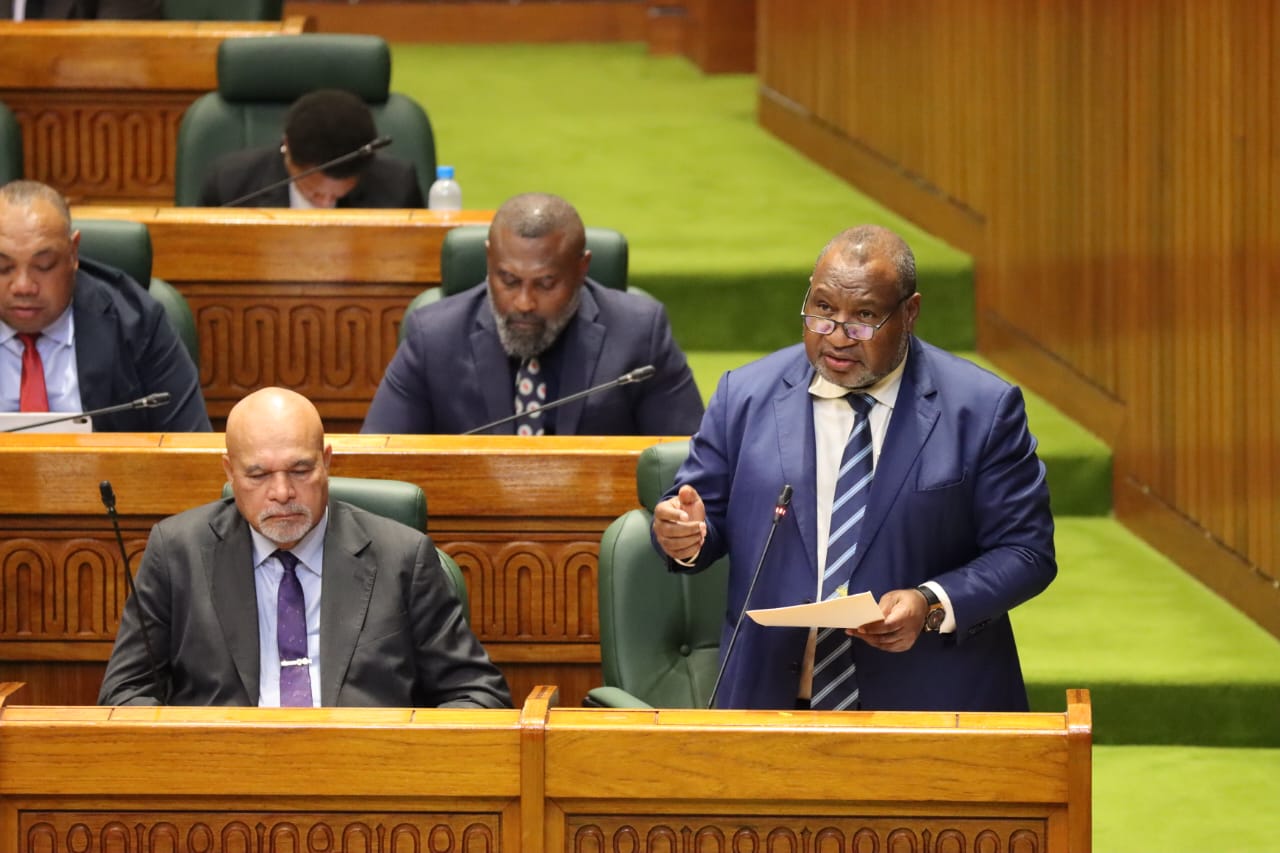 MARAPE DEFENDS CABINET RESHUFFLE
Prime Minister (PM) James Marape has defended his decision for making the recent cabinet reshuffle that saw six new ministers sworn into office yesterday at the Government House, Port Moresby city.He described it as a carefully considered strategic decision aimed at improving the efficiency of Government, accelerating service delivery, and strengthening Institutional Reforms as Papua New Guinea (PNG) enters the final phase of the Government’s current term.Responding to Questions from the Opposition Leader, James Nomane during Question Time on the first Sitting day of Parliament following its resumption, Prime Minister Marape said the changes were not driven by personalities or politics, but by the Government’s responsibility to deliver tangible outcomes for the people before the 2027 National General Election.The Prime Minister thanked all Ministers who had served in his Government over the past four years, acknowledging their commitment and sacrifices while noting that changing national priorities, health considerations, constituency commitments and the need for stronger delivery mechanisms required adjustments to Cabinet responsibilities.“It was an absolute honour and privilege to work with all my Ministers over the past four years. These changes are not about personalities. They are about ensuring Government delivers the outcomes our people expect in the remaining months before the next Election,” Prime Minister Marape said.He explained that as Papua New Guinea moves beyond its 50th Anniversary of Independence and continues implementing the Government’s “Reset at 50” Reform Agenda, it had become necessary to restructure several key Portfolios to eliminate bureaucratic bottlenecks and improve accountability across Government.
Published on July 15, 2026
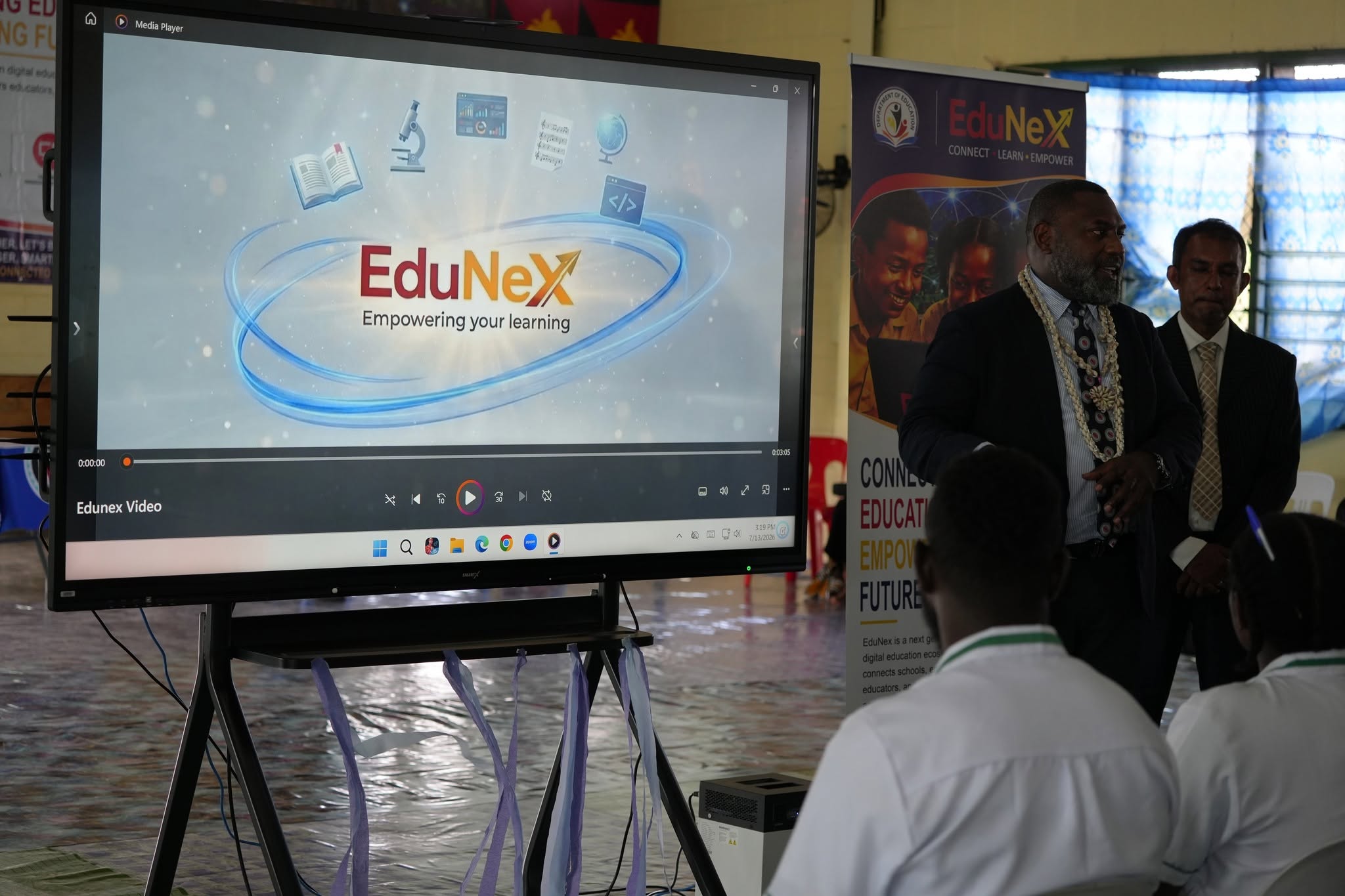 HUTJENA SECONDARY SCHOOL BECOMES FIRST PNG SCHOOL CONNECTED TO EDUNEX
The Hutjena Secondary School in Bougainville has become the first school in Papua New Guinea (PNG) to be connected to the National Digital Learning Management System, EduNeX.The digital platform was officially launched on Monday, July 13, during the 35th Senior Education Officers Conference held at the school.The launch was officiated by Minister for Works and Highways and Acting Minister for Information and Communication Technology Peter Tsiamalili Jr.EduNeX will provide teachers with digital teaching resources, structured learning content, and professional tools to improve classroom delivery.Students will also benefit from interactive and personalized learning experiences supported by artificial intelligence technology.Education Secretary Dr Uke Kombra described the launch as a major milestone in PNG’s digital transformation agenda."The connection of Hutjena Secondary School to EduNeX demonstrates our commitment to ensuring every child, regardless of where they live, has access to quality learning opportunities.”“This is about creating a more equitable education system by giving our teachers modern digital tools and our students engaging, personalised learning experiences."The Department of Education will gradually roll out teacher training to support effective use of the platform.In May 2026, Acting Minister for Education Kineoka Feo announced in the Ministerial Policy Statement the implementation of the National Digital Learning Management System (EduNeX), a transformative national education reform initiative aimed at modernizing teaching and learning across the country.The initiative is designed to provide equitable access to quality education across all regions, provinces, and districts, ensuring that a student in remote areas has access to the same quality of learning content as a student in the capital.The policy will apply to all levels of school in the National Education system including FODE, TVET, and IERCs.
Published on July 15, 2026
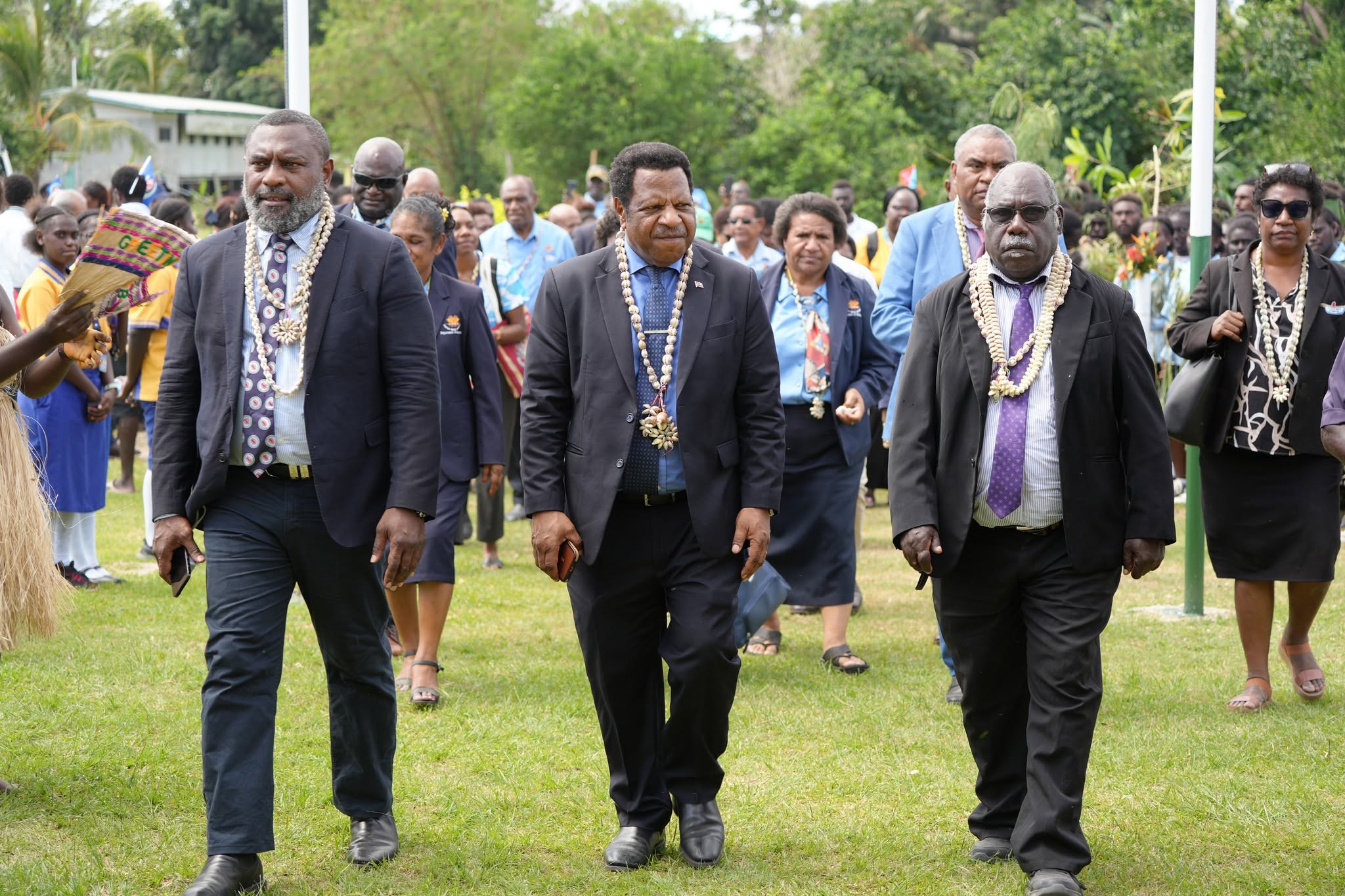 NATIONAL EDUCATION DEPARTMENT TRANSFERS KEY POWERS TO BOUGAINVILLE
The Department of Education has officially transferred two major administrative functions to the Autonomous Bougainville Government (ABG); School Registration and Compliance as well as Tuition Fee Funding.Education Secretary Dr Uke Kombra announced the transfer during the opening of the 35th Senior Education Officers Conference at Hutjena Secondary School in Buka on Monday, July 13.Under the new arrangement, the ABG will be responsible for auditing school standards, identifying prospective schools and approving new registrations in consultation with the Teaching Services Commission.The Bougainville Department of Education will also directly manage tuition fee payments to schools, replacing the previous national-level payment system as confirmed by Secretary Kombra.“From this day onwards, the Bougainville Department of Education will now directly manage the tuition fees that will come to schools in Bougainville.”The transfer follows the Wabag Joint Statement, which provides for the gradual devolution of national government powers to Bougainville.Dr Kombra stressed that while Bougainville continues its political journey, education must remain focused on providing quality learning opportunities for children.He also outlined national education reforms, including the PNG Education Transformation Vision (PNGETV) 2075 and the 1-6-6 school structure, aimed at reducing student dropouts and ensuring children progress from Prep through Grade 12.The National Government is also supporting education infrastructure development through a K2 billion investment over 10 years.
Published on July 14, 2026
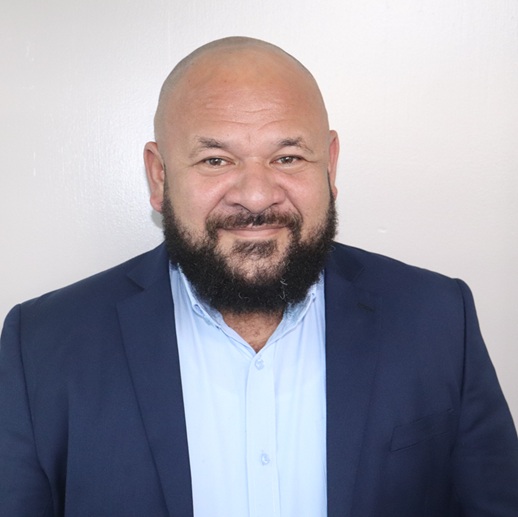 NAC FAREWELLS CADIP PROJECT DIRECTOR, APPOINTS ACTING SUCCESSOR
The National Airports Corporation (NAC) has farewelled Civil Aviation Development Investment Program (CADIP) Project Director Mr. Welington Timothy Warren following eight years of dedicated service leading one of Papua New Guinea’s major aviation infrastructure programs.At a farewell luncheon held in June 2026, Acting Managing Director and CEO of NAC, Mr. Dominic Kaumu, on behalf of the NAC Board and Management, acknowledged Mr. Warren’s contribution in delivering major airport development projects under CADIP.Mr. Kaumu commended Mr. Warren’s leadership in the successful implementation of CADIP I projects, including developments at Momote, Vanimo, Kavieng, Tari and Mendi airports.He also recognised Mr. Warren’s involvement in CADIP II loan negotiations and implementation, which has supported ongoing airport and rural airstrip development projects across the country.“Mr. Warren’s departure leaves a gap for NAC, and we will require a leader of similar calibre to continue the momentum of CADIP II and the upcoming CADIP III,” Mr. Kaumu said.He encouraged the CADIP Project Implementation Unit staff to remain committed and resilient while assuring them of NAC’s continued support.Following Mr. Warren’s departure, NAC has appointed Ms. Fiona Serum as Acting Project Director for CADIP.Ms. Serum, an Institution of Engineers Papua New Guinea (IEPNG) registered Civil Engineer, brings more than a decade of experience with NAC, having previously served as Project Engineer, Project Manager and Deputy Project Director.She has also acted in the Project Director role on several occasions and has extensive experience in airport infrastructure design, procurement and contract management.Mr. Kaumu called on NAC staff and stakeholders to support Ms. Serum as she leads the Project Implementation Unit and ensures continuity of CADIP operations.CADIP, jointly funded by the Asian Development Bank and the Government of Papua New Guinea, was established in 2009 and continues to support the transformation of Papua New Guinea’s aviation transport sector through major airport and rural airstrip improvements.
Published on July 13, 2026
 TAHITI FIGHT BACK TO DEFEAT VANUATU IN OFC U16 CHAMPIONSHIP OPENER
Tahiti produced a strong second-half comeback to overcome Vanuatu 4-2 in their opening Group B match of the OFC U-16 Men’s Championship 2026.The Tahitians were forced to recover from a first-half setback but responded with four goals after the break to secure a fifth consecutive tournament victory over Vanuatu, dating back to 2005.Vanuatu looked set to head into halftime with the advantage after taking the lead in the closing stages of the first half. Under pressure from Rohan Masauvakalo, Tahiti captain Manatea Ahupu attempted to clear the danger, but the ball took an unfortunate deflection and ended up in his own net.The goal gave Vanuatu confidence, but their hopes of holding onto the lead faded quickly after halftime as Tahiti capitalised on defensive mistakes.Vanuatu goalkeeper Ezekiel Tasso gifted Tahiti an equaliser when his goal kick went straight to striker Esdras Jamet inside the penalty area. Jamet made no mistake, calmly finishing to bring the match level.Just four minutes later, Tahiti completed the turnaround. Santiago Covic took advantage of another mistake while Vanuatu attempted to play out from the back, producing a composed finish into the bottom corner to put his side ahead.Tahiti continued to punish Vanuatu on the counterattack, with Jamet scoring his second goal of the match in the 61st minute after racing clear following a quick transition.Vanuatu refused to give up and reduced the deficit in the 77th minute when Franso Shem headed home from Mathew Naviti’s accurate cross, giving the qualifying winners hope of a late comeback.However, Tahiti sealed the victory late in the match when Covic scored his second goal of the day, once again capitalising on a Vanuatu error during build-up play.The result gives Tahiti an important opening win in Group B, while Vanuatu will look to respond when they face the Solomon Islands in their next match.Tahiti’s next challenge will be a meeting with defending champions New Zealand as they continue their campaign in the OFC U-16 Men’s Championship 2026.
Published on July 13, 2026
 PNG YOUNG-GUNS BEGIN CAMPAIGN IN STYLE WITH TRILLING WIN OVER SAMOA
Papua New Guinea made the perfect start to their campaign with a commanding 4-0 victory over Samoa in their opening match, after taking full advantage of their numerical advantage following a first-half red card.The hosts country controlled much of the evening fixture and were already in a strong position before Samoa were reduced to 10 players late in the first half.PNG opened the scoring in the 14th minute through full-back Jaru Eron, who produced an impressive individual effort. Eron burst forward down the left side, beat two defenders and rounded Samoa goalkeeper Moemanatu Lesatele before calmly finishing into an empty net.Just two minutes later, PNG doubled their advantage through Toka Goro. Good work from Iga Steven on the left created the opportunity, with Goro reacting quickest after Samoa failed to clear their lines and scrambling the ball into the net.PNG captain Matthew Sopo came close to adding a third before halftime, striking the crossbar as the hosts continued to apply pressure.Samoa’s hopes of a comeback were dealt another blow in first-half stoppage time when defender Bevan Jr Kapisi was shown a straight red card. Boas Tommy was through on goal and was brought down on the edge of the penalty area, leaving the referee with no option but to dismiss the Samoa defender.With a one-player advantage, Papua New Guinea continued their dominance after the break. Samoa worked hard defensively, with goalkeeper Lesatele making several important saves to keep the scoreline within reach.However, PNG eventually extended their lead in the 63rd minute when Nigel Gunemba delivered a perfectly timed pass into the path of Boas Tommy. The forward showed composure, cutting inside onto his right foot before firing past Lesatele.Samoa continued to fight despite being a player down, but PNG’s attacking pressure proved too much in the closing stages.The fourth goal arrived in the 80th minute when Iga Steven followed up after Klivet Ronald failed to make clean contact with John Millis’ cross. Steven reacted quickly to finish from close range and seal a convincing victory for the hosts.The result gives Papua New Guinea a perfect start to their tournament and provides a strong confidence boost ahead of their next match against New Caledonia on Wednesday.The home side will now look to build on their impressive opening performance as they continue their push for tournament success on home soil.
Published on July 13, 2026
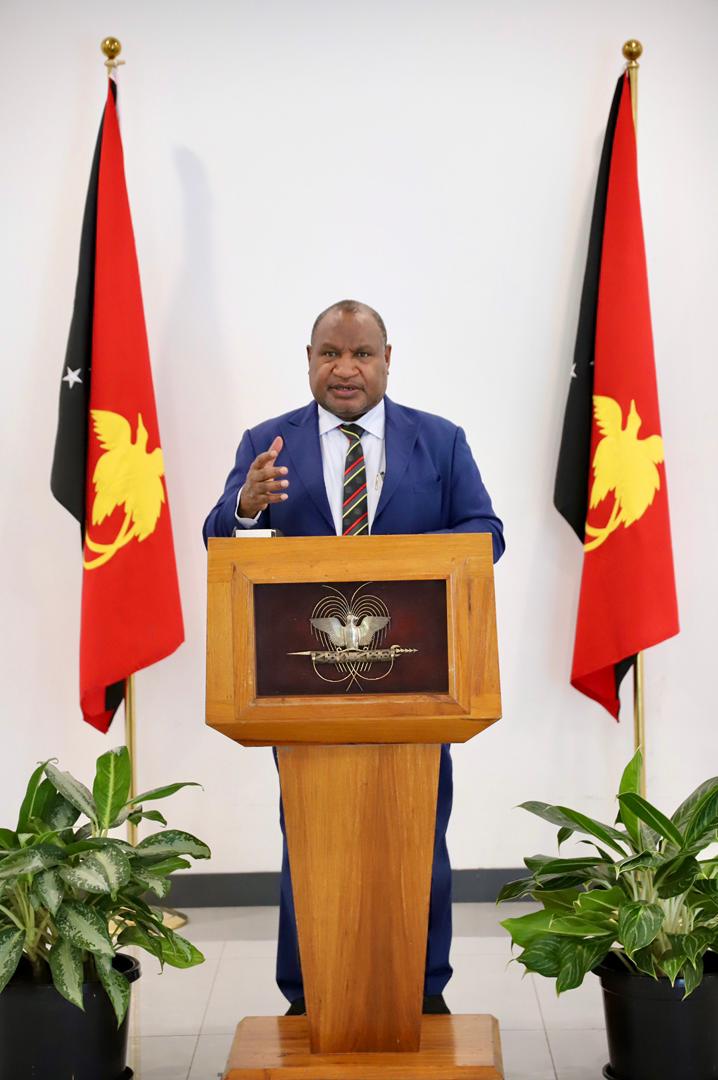 PM TO ANNOUNCE NEW MINISTERIAL APPOINTMENTS
Prime Minister James Marape is expected to announce the new National Executive Council (NEC) composition and ministerial portfolio allocations today following formal processes at Government House.The Prime Minister said he was undertaking final consultations with ministers affected by the Cabinet reshuffle while also finalising appointments of new members to the National Executive Council.Prime Minister Marape said the reshuffle was a significant exercise requiring careful consideration, respect and courtesy towards colleagues who had served alongside him over the past four years.“To be fair to ministers who will be leaving Cabinet, including some with personal and medical considerations, they deserve the courtesy of hearing from me personally before any public announcement is made,” Prime Minister Marape said.“These are colleagues I have worked with closely over the past four years. As Prime Minister, I owe them that respect and courtesy. It is only proper that I communicate with each of them personally before the changes are announced publicly.”The Prime Minister said selecting replacement ministers was equally challenging.“It is not simply a matter of filling vacancies. We must identify capable leaders while maintaining an appropriate political, regional, and provincial balance in Cabinet. These are important considerations in assembling a team that can effectively deliver for the country.”Prime Minister Marape said that with only eight months remaining before the issue of writs for the 2027 National General Election, it was important to position the right leaders in key portfolios to complete the Government’s legislative and development agenda.
Published on July 13, 2026