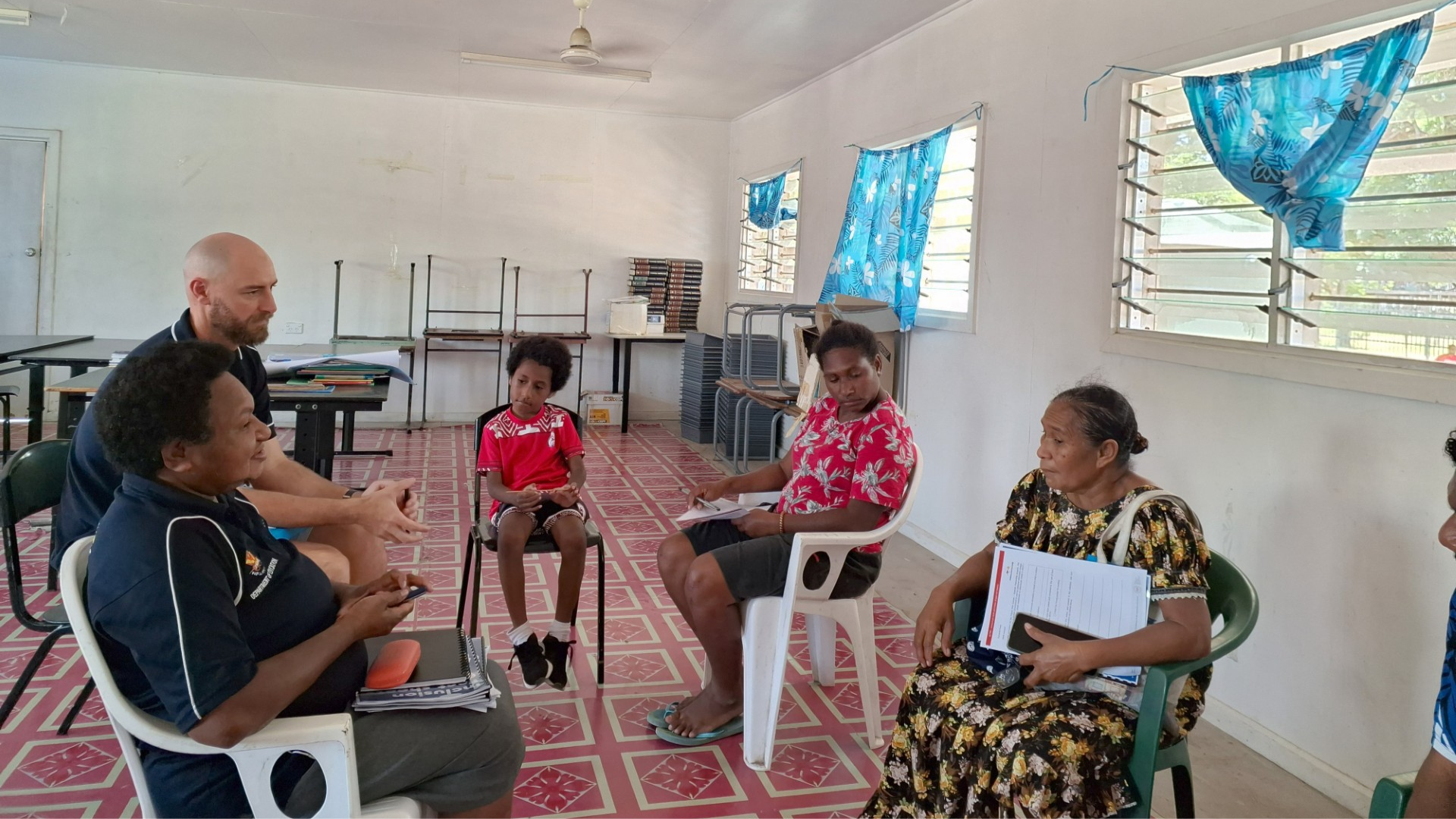
The Governments of Papua New Guinea and Australia are working together to make sure children with disabilities are better included in schools and communities.
This partnership focuses on making it easier for children to get the right help and ensuring they can access assistive technology like wheelchairs or hearing aids. The new project comes after a meeting in Port Moresby in February 2026, where staff from Inclusive Education Resource Centres (IERCs) explained that the current system is too confusing and that children need a clearer way to get help and tools.
To fix these problems, the two countries are focusing on two main goals: mapping out the best ways for different departments to work together and making it easier to buy and deliver helpful equipment. This work aims to fix old gaps in the system, show everyone exactly what their jobs are, and give children steady support.
Research shows that just giving out equipment is not enough to solve the problem. To truly help, the whole system needs to work smoothly from start to finish, including finding the children who need help, checking their needs, fitting the equipment, training them how to use it, and checking in on them later. Without all of these steps, children might get tools that do not fit them or that they cannot use properly.
Assistant Secretary Arnold Koima from the National Department of Education’s Inclusive Education Unit said the initiative addresses critical system gaps.
“This work tackles two of the most pressing challenges we have faced over the years, how children are connected to services, and how assistive devices are delivered consistently. Strengthening these systems will help lay the foundation for more inclusive education outcomes across the country,” Mr. Koima said.
Looking ahead, IERC Coordinator, Ludmilla Wakolen also emphasized the importance of simplifying processes.